
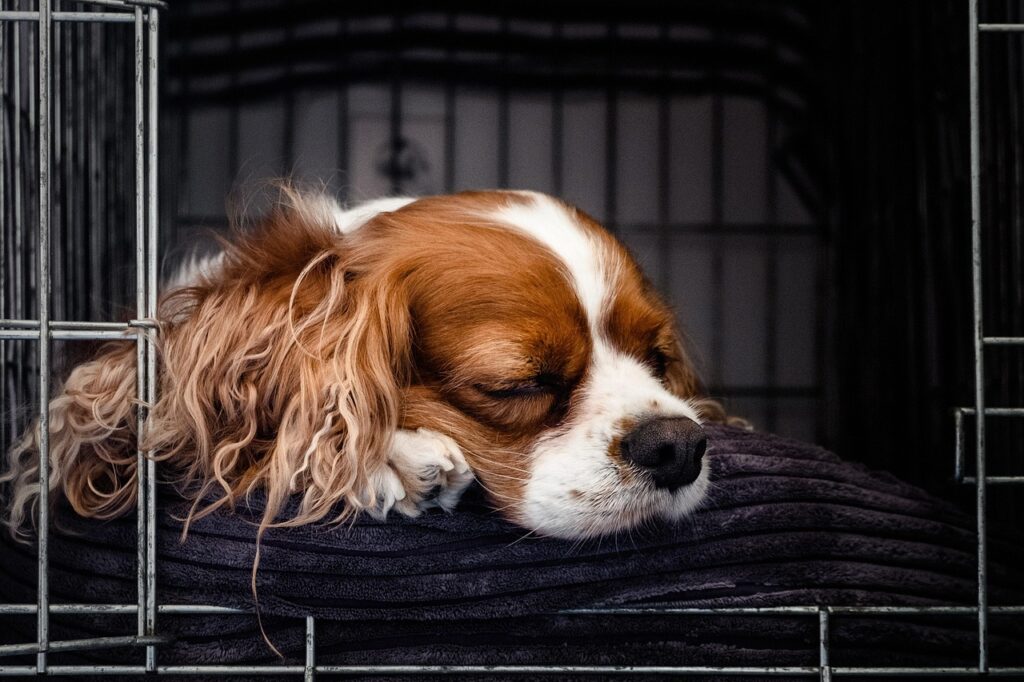
Why Crate Training Still Works in 2026
Crate training isn’t a flashy trend it’s a proven method that still delivers, year after year. When used correctly, a crate gives your dog something they instinctively crave: a safe, den like space that’s theirs alone. For owners, it adds structure to the chaos. You get a routine, a safer home environment, and a tool that pays off long term.
Crates help nail house training faster. Dogs typically don’t like to soil the space they sleep in, so the crate encourages bladder control and builds clean habits. It’s also a game changer for travel it keeps pups secure in the car and makes overnight stays or vet visits smoother.
And don’t underestimate its role in managing anxiety. A crate offers a break from overstimulation, especially helpful for puppies or rescue dogs trying to adjust. It opens the door to calm, not confinement.
Let’s bust a myth while we’re here: crates aren’t cruel as long as you’re not using them for punishment or isolation. When introduced the right way, they become a retreat, not a prison. The key is how you use it not just that you use it.
Choosing the Right Crate
Not all crates are built the same, and picking the right one matters more than first time dog owners usually think. Let’s break it down.
Wire Crates are the go to for versatility. They’re strong, allow tons of airflow, and usually come with dividers great if you’ve got a pup that’s still growing. They’re also collapsible for storage. Downsides: they can be loud, exposed, and not ideal for anxious dogs who need a den like space.
Plastic Crates offer more of that den vibe. They’re cozier, quieter, and better for travel. Some even double as airline approved carriers. The trade off? Less airflow and harder to clean.
Soft Sided Crates are the lightest and most portable. Better suited for calm, crate trained dogs or travel scenarios. Don’t count on them for durability, though they won’t survive a teething puppy or a nervous scratcher.
When it comes to size, pick a crate that’s large enough for your dog to stand, turn around, and lie down fully but not big enough that they’ll potty in one corner and nap in another. Puppies? Go for a crate with dividers so you can upsize as they grow. Breed matters too. A Labrador pup grows fast; a Chihuahua doesn’t take much space.
Must have features? Start with comfort: a soft mat or pad makes all the difference. Ventilation is non negotiable your dog needs airflow, especially in warmer climates. You’ll also want visibility both ways. Your pup should be able to see out, and you should be able to check in at a glance.
Bottom line: the right crate does more than contain. It becomes your dog’s safe space and your sanity saver.
Step 1: Introduce the Crate Naturally
Start simple. Don’t shove the crate into a back room and expect magic. Put it where life happens near the living room, kitchen, or wherever your dog can watch the action. Dogs are social animals. If they feel isolated from the pack, you’ll get resistance.
Next: zero pressure. Leave the crate open and let your dog sniff around, get curious, and step inside when they’re ready. This isn’t a race. Some dogs wander in within minutes, others need a day. What matters is that it’s their choice.
Make it worth their while. Toss in a couple of high value treats or a favorite toy. Maybe feed them meals near or even inside the crate early on. Every time they explore, they should get rewarded. We’re building trust, not forcing obedience.
This first step sets the tone. Get it right, and the crate becomes a calm, familiar space not a fight waiting to happen.
Step 2: Create a Positive Crate Environment
Start simple. A crate shouldn’t feel like a punishment it should feel like a den. If your dog isn’t a chewer, add soft bedding for comfort. If they are a chewer, skip it for now. Safety trumps comfort when it comes to swallowing stuffing or fabric.
Throw in a favorite chew safe toy or two something sturdy and vet approved. Avoid anything they can rip apart in minutes. The goal is to give them something to focus on, especially in these early stages.
And here’s the key: don’t rush it. Keep the crate door open at first. Let them wander in and out without pressure. This is about choice and building trust. You’re not locking them away you’re inviting them in.
Step 3: Establish a Crate Routine

Creating a predictable routine around the crate is essential to success. Dogs thrive on structure, and establishing a calming, consistent association with crate time helps build trust and reduce anxiety.
Start Small and Build Gradually
Begin with short, supervised sessions. The goal is to prevent overwhelm and ensure crate time is always associated with safety and relaxation.
Start with 5 10 minutes while you’re present
Slowly increase the duration each day
Always end on a positive note to reinforce good behavior
Use Meal Times to Reinforce Routine
Incorporate the crate into daily rituals like feeding and quiet time. This links the crate to positive experiences and natural points of rest in your dog’s day.
Feed meals in the crate with the door open at first
Use chews or treat stuffed toys during quiet breaks
Gradually close the door for short stretches once comfort builds
Teach That Crate Time Means Downtime
The crate should never feel like a punishment. Instead, it should signal rest, calm, and security. Present the crate as your dog’s personal safe space.
Use soft tones and relaxed body language during crate time
Avoid using the crate to isolate after bad behavior
Allow your dog to unwind inside without distractions
Building this routine takes patience, but once you lay the right foundation, the crate becomes a reliable tool that supports your dog’s well being day and night.
Step 4: Crate Training While You’re Away
Leaving your dog crated while you’re gone isn’t about locking them away it’s about setting boundaries they can relax into. But how long is too long? That depends on age. Young puppies can only hold it for about one hour per month of age (e.g., a 3 month old = 3 hours). Adult dogs, once trained, can handle 6 8 hours if necessary but that should be the exception, not the norm. Overnight or while at work is fine, especially with a mid day break, but don’t treat the crate like a long term storage solution.
To avoid developing separation anxiety, mix crate time with confidence building. Always leave and return calmly. No drama. Try using enrichment toys during departures things like frozen Kongs help redirect attention. And build positive associations by not just crating when you’re leaving.
Whenever possible, monitor. Pet cams let you track how your dog is coping. Neighbor or pet sitter check ins can be a game changer for dogs still adjusting. Crate training should foster security, not stress. Watch closely, adjust often.
Common Issues & Fixes
Whining in the Crate: What’s Normal vs. Manipulative
Some whining is normal especially in the early days. Puppies are adjusting to being alone and learning that the crate is a safe spot, not a punishment. But if the whining spikes right after you close the door and fades when you reappear, it could be a test. Dogs are smart. They’ll push buttons to get what they want. The rule of thumb: don’t open the crate while the whining is active. Wait for silence or a calm pause, then reward the behavior you want. Caving sends the wrong message.
Refusal to Enter: Training Tips and Patience Cues
If your dog plants itself and won’t budge near the crate, don’t force it. That builds fear and resentment. Instead, lean on patience and positive association. Start feeding meals inside the crate, toss in a few high value treats or toys, and praise them whenever they interact with the space. Use a consistent phrase like “go to bed” and reward immediately when they follow through even if it’s just one paw inside. Progress compounds over time.
Accidents in the Crate: What You Might Be Doing Wrong
Crates aren’t magic they’re tools. If your dog is having accidents, double check your timing. Puppies can’t hold it for long, especially under 6 months old. A good guideline: age in months + 1 = max hours inside. Also, make sure the crate isn’t too big. Dogs are less likely to soil a space they sleep in but if there’s enough room to ‘go’ in one corner and sleep in the other, they’ll take it. Lastly, be consistent with potty breaks before and after crating. That’s your responsibility, not theirs.
Beyond the Crate: Building Obedience
Crate training is a powerful starting point but it’s only part of your dog’s behavioral foundation. To raise a well adjusted, obedient dog, crate time should work hand in hand with basic command training.
Why Broader Training Matters
Crating alone won’t teach your dog how to behave in the wider world. Basic obedience enhances communication, builds mutual trust, and helps prevent problem behaviors before they start.
Dogs who understand verbal cues are easier to manage during crate time
Obedience creates structure, reducing anxiety and uncertainty
A trained dog is more confident and less reactive overall
Start With the Essentials
Begin teaching key commands early, even while crate training is in progress. These core cues build a communication bridge between you and your pup:
Sit helps with patience and impulse control
Stay supports moments of calm and stillness
Come reinforces safety and recall in unpredictable situations
Leave it establishes boundaries and prevents dangerous ingestion
Down promotes relaxation and submission when needed
These simple commands can turn daily moments feeding, walking, crating into teachable opportunities.
Your Next Step
If you’re not sure where to begin, check out our guide: Top 5 Commands Every Dog Should Know. It walks you through step by step instruction, complete with tips, timing, and troubleshooting.
Training your dog beyond the crate unlocks long term success. Combine consistency, rewards, and a calm tone and you’ll build more than obedience. You’ll build a lifelong bond.
Wrap Up: Consistency Beats Perfection
Crate training success doesn’t come down to doing everything perfectly. What truly matters is showing up every day with patience, clarity, and consistency. Progress isn’t always linear what looks like a step back could be your dog adjusting to new boundaries or expectations.
Focus on Daily Progress
Making small improvements each day lays the foundation for long term success. Whether your dog stays calmly in the crate for two minutes or twenty, it’s forward movement.
Build the habit, even on busy days
Celebrate small wins (quiet time, willingly entering the crate)
Stick to routines even when results fluctuate
Every Dog Learns Differently
Dogs are individuals. Some take to crate training quickly, while others may need extra reassurance and time. Avoid comparing your dog to others.
Factor in breed tendencies and past experiences
Observe, adjust, and meet your dog where they are
Set realistic expectations and stay patient
The Crate is a Tool, Not a Cage
Crates aren’t meant for punishment. When introduced properly, they become a safe zone your dog can rely on for rest, quiet, and structure.
Think of the crate as a dog’s bedroom somewhere relaxing and familiar:
Allow freedom outside the crate when safe and supervised
Keep the crate clean, cozy, and inviting
Never use it as a consequence for misbehavior
Bottom line: Perfection isn’t required but consistent, compassionate effort is. Trust the process, trust your dog, and stay committed.
 There is a specific skill involved in explaining something clearly — one that is completely separate from actually knowing the subject. Tavien Rothwynd has both. They has spent years working with culinary exploration and recipes in a hands-on capacity, and an equal amount of time figuring out how to translate that experience into writing that people with different backgrounds can actually absorb and use.
Tavien tends to approach complex subjects — Culinary Exploration and Recipes, More, Food Insights being good examples — by starting with what the reader already knows, then building outward from there rather than dropping them in the deep end. It sounds like a small thing. In practice it makes a significant difference in whether someone finishes the article or abandons it halfway through. They is also good at knowing when to stop — a surprisingly underrated skill. Some writers bury useful information under so many caveats and qualifications that the point disappears. Tavien knows where the point is and gets there without too many detours.
The practical effect of all this is that people who read Tavien's work tend to come away actually capable of doing something with it. Not just vaguely informed — actually capable. For a writer working in culinary exploration and recipes, that is probably the best possible outcome, and it's the standard Tavien holds they's own work to.
There is a specific skill involved in explaining something clearly — one that is completely separate from actually knowing the subject. Tavien Rothwynd has both. They has spent years working with culinary exploration and recipes in a hands-on capacity, and an equal amount of time figuring out how to translate that experience into writing that people with different backgrounds can actually absorb and use.
Tavien tends to approach complex subjects — Culinary Exploration and Recipes, More, Food Insights being good examples — by starting with what the reader already knows, then building outward from there rather than dropping them in the deep end. It sounds like a small thing. In practice it makes a significant difference in whether someone finishes the article or abandons it halfway through. They is also good at knowing when to stop — a surprisingly underrated skill. Some writers bury useful information under so many caveats and qualifications that the point disappears. Tavien knows where the point is and gets there without too many detours.
The practical effect of all this is that people who read Tavien's work tend to come away actually capable of doing something with it. Not just vaguely informed — actually capable. For a writer working in culinary exploration and recipes, that is probably the best possible outcome, and it's the standard Tavien holds they's own work to.