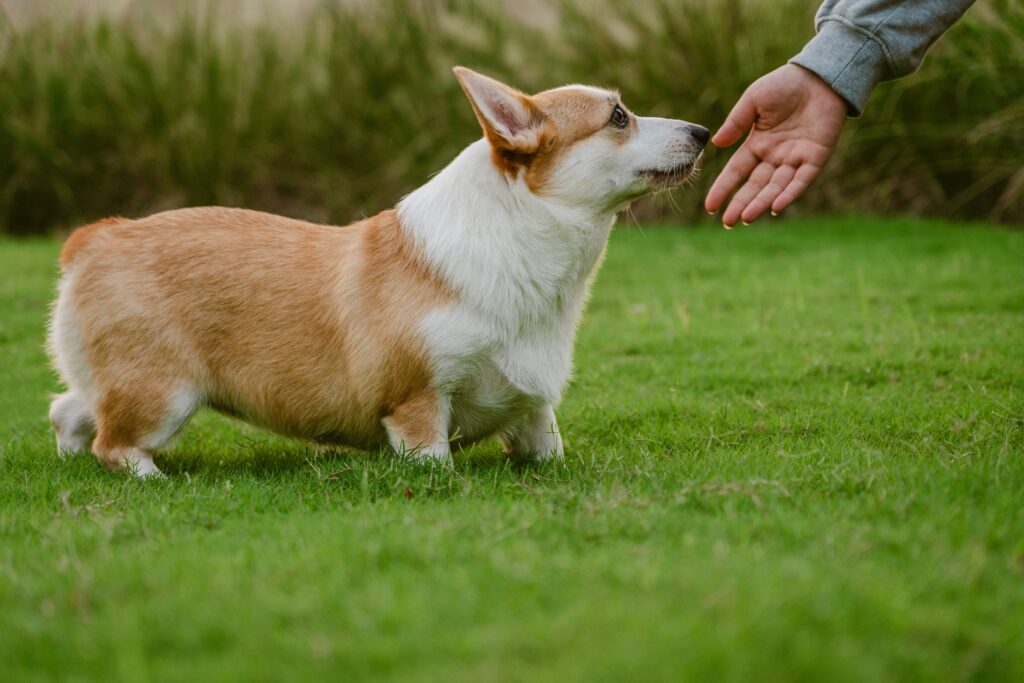
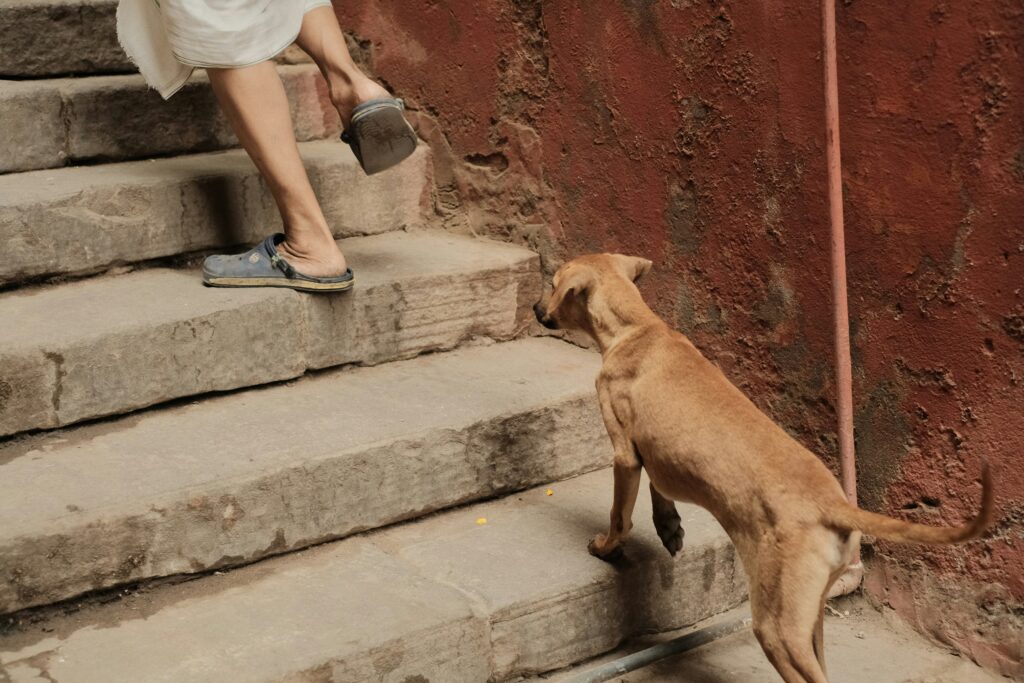
Biting and Nipping
Puppy biting is one of the most common but also most misunderstood behavior issues in young dogs. The good news? With patience and consistent training, it’s also one of the easiest to manage.
Why Puppies Bite
Before anything else, it’s important to understand the reasons behind your puppy’s biting:
Teething discomfort: Puppies bite to relieve the pain of incoming teeth (especially between 3 6 months of age).
Play behavior: Biting is how puppies instinctively engage with littermates it’s not aggression.
Attention seeking: Biting might be your puppy saying, “Notice me!” If biting gets a reaction, they may keep doing it.
Teach Bite Inhibition Early
Teaching your puppy how to control the force of their bite is crucial.
Let out a high pitched “ouch” when they bite too hard, then step away.
Stop interacting immediately to show that biting ends playtime.
Practice this consistently so your pup learns boundaries without fear based punishment.
Redirect the Behavior
Rather than scolding your puppy every time they nip, show them what’s acceptable instead.
Keep a variety of chew toys nearby to offer as a substitute.
When they go for your fingers, calmly redirect their mouth to the toy.
Praise and reward the correct chewing behavior.
The “Ouch and Ignore” Strategy
This time tested approach reinforces gentle play:
- Say “ouch!” in a calm but clear tone when your puppy nips.
- Immediately turn away and ignore your puppy for a few seconds.
- Resume play once they settle down, rewarding calm engagement.
Over time, your pup will connect the dots: gentle mouths mean more attention biting ends the fun.
Consistent practice and a calm, positive demeanor will help your puppy develop safe and respectful mouth habits for life.
Potty Accidents
Potty training a puppy isn’t glamorous, but it’s foundational. Rule one: stick to a schedule. Puppies thrive on routine. Same times every day for meals, water, and bathroom breaks. That rhythm builds trust and results.
When it comes to teaching them where to go, positive reinforcement wins. Praise and treat immediately after they potty in the right spot. Punishing for accidents just builds fear (and more mess in secret corners). Stay cool, reward the wins.
Watch for the tells: circling, intense sniffing, sudden restlessness. These are puppy code for “I gotta go.” Act fast and get them to their spot. Don’t wait.
Still dealing with midnight puddles? Rethink your timing. Cut off water an hour or two before bedtime. Feed on a steady schedule. And don’t skip that pre sleep potty break. Smart structure now means fewer 3am surprises later.
Crate Resistance
Crate training can stir up strong opinions, but when done right, it offers structure not punishment. It’s one of the most effective tools for safety, house training, and creating boundaries for your puppy.
Why Crate Training Isn’t Cruel
Dogs are natural den animals when introduced properly, a crate feels like a safe space
It imposes necessary structure, especially during early developmental stages
Helps prevent destructive behavior when your puppy is unsupervised
Creating a Positive Association
Avoid using the crate as a form of discipline. Instead, help your puppy associate it with calm and comfort.
Add soft bedding, a safe chew toy, or a frozen treat
Feed your puppy meals in the crate to build trust in the space
Offer praise every time they go in voluntarily
Start Small: Gradual Exposure
Don’t rush crate training. Increase your pup’s time in the crate gradually to build confidence.
Start with short sessions while you’re nearby, then slowly extend the time
Ensure your puppy enters the crate calm not after being forced
Open the crate only when they’re relaxed, not whining
For a complete guide, explore Crate Training 101: Step by Step Guide for New Dog Owners.
Jumping on People

Jumping might seem harmless when your puppy is small, but it’s a habit that gets old fast and turns into a problem as they grow. The key here is simple: don’t feed the behavior you don’t want. Ignore the jumping. No eye contact, no touch, no talk. Wait for calm, then reward.
Swap out that jumping impulse with a go to move like “sit.” It’s a clearer signal for dogs, and most importantly, something they can’t do while leaping up. Every greeting is a training moment. Make sitting the default way to say “hi.”
Consistency is everything. That means everyone in the house needs to play by the same rules. No exceptions not your roommate, not your cousin, not the delivery guy who “doesn’t mind.” If one person encourages jumping, your training resets. Keep it firm and predictable, and your dog will get it.
Excessive Barking
Puppies bark. It’s how they communicate nothing unusual. But when it turns into constant noise, it’s time to pause and look deeper. The first step is figuring out what’s really fueling it. Is your pup bored? Spooked by a sound? Overstimulated from a walk? Trying to get your attention? Different causes need different approaches. Blanket reactions won’t fix it.
Your response matters. Matching their noise with more noise yelling or scolding doesn’t help. Stay calm. That’s non negotiable. Give short, clear feedback: a firm “enough” or “quiet,” and immediately reinforce silence when it happens, even if only a few seconds.
Next up: drain the energy tank. Puppies need jobs. Not literally, but mentally and physically. A tired pup is often a quiet pup. Toys that challenge them, short training sessions, and structured playtime all help reduce frustration barking.
Finally, once you’ve nailed down the triggers, that’s when to teach the “quiet” cue. You want them to succeed don’t ask for quiet until they understand what they’re reacting to. Timing, tone, and consistency are the core ingredients.
The goal isn’t silence. It’s control and connection.
Chewing Everything in Sight
Chewing is normal. It’s how puppies discover the world and try to survive teething without losing their minds. But what’s natural for them can wreck your furniture, shoes, remotes, and anything else left within reach.
So, set them up for success. Stock your space with plenty of high quality chew toys in different textures. Let the puppy pick favorites. Rotate the toys often so they stay interesting.
If they still go for the couch legs or baseboards, introduce deterrent sprays. They’re bitter, safe, and usually enough to convince the pup there are better options.
Last, keep temptation out of reach. Chargers, cords, favorite sneakers they all look like toys to a puppy. Store them, block them, hide them. You can’t fix what you don’t protect.
There’s no silver bullet, but a proactive setup beats a scolding after the damage is done.
Final Note: Consistency Is Everything
Raising a puppy in 2026 isn’t a discipline contest it’s a developmental journey. Think toddler, not troublemaker. Their brains are still wiring up. Every bark, bite, or mess is part of learning, not defiance. Your job isn’t to dominate. It’s to guide.
That means calm leadership over chaos. Positive reinforcement over punishment. Repetition yes, the boring kind is what helps lessons stick. Sit, stay, leave it, potty here not once, but a hundred times, with patience and rewards.
If something feels off or beyond your skill set, don’t wait until frustration builds or habits stick. Reach out to a certified trainer early. A little help now can save you months of undoing later.
Stay consistent. Stay steady. Your future dog is built on the choices you make today.
 There is a specific skill involved in explaining something clearly — one that is completely separate from actually knowing the subject. Normando Pendergrassion has both. They has spent years working with more in a hands-on capacity, and an equal amount of time figuring out how to translate that experience into writing that people with different backgrounds can actually absorb and use.
Normando tends to approach complex subjects — More, Culinary Exploration and Recipes, Regional Culinary Traditions being good examples — by starting with what the reader already knows, then building outward from there rather than dropping them in the deep end. It sounds like a small thing. In practice it makes a significant difference in whether someone finishes the article or abandons it halfway through. They is also good at knowing when to stop — a surprisingly underrated skill. Some writers bury useful information under so many caveats and qualifications that the point disappears. Normando knows where the point is and gets there without too many detours.
The practical effect of all this is that people who read Normando's work tend to come away actually capable of doing something with it. Not just vaguely informed — actually capable. For a writer working in more, that is probably the best possible outcome, and it's the standard Normando holds they's own work to.
There is a specific skill involved in explaining something clearly — one that is completely separate from actually knowing the subject. Normando Pendergrassion has both. They has spent years working with more in a hands-on capacity, and an equal amount of time figuring out how to translate that experience into writing that people with different backgrounds can actually absorb and use.
Normando tends to approach complex subjects — More, Culinary Exploration and Recipes, Regional Culinary Traditions being good examples — by starting with what the reader already knows, then building outward from there rather than dropping them in the deep end. It sounds like a small thing. In practice it makes a significant difference in whether someone finishes the article or abandons it halfway through. They is also good at knowing when to stop — a surprisingly underrated skill. Some writers bury useful information under so many caveats and qualifications that the point disappears. Normando knows where the point is and gets there without too many detours.
The practical effect of all this is that people who read Normando's work tend to come away actually capable of doing something with it. Not just vaguely informed — actually capable. For a writer working in more, that is probably the best possible outcome, and it's the standard Normando holds they's own work to.