
Why Balanced Nutrition Matters More in 2026
Pet nutrition isn’t what it was ten years ago and that’s a good thing. Better research and more rigorous feeding standards are pushing dog owners past the old bare minimum approach. Today, it’s not just about filling the bowl. It’s about what goes in it, why it matters, and how it affects longevity, energy, and disease resistance.
The data is clear: dogs are living longer, and a big factor is diet. Quality of life in those extra years hinges on what’s in their daily meals. That means fewer fillers, more tailored nutrients, and a closer look at how each life stage affects dietary need. Modern feeding isn’t generic it adapts.
There’s also a major mental shift underway. Feeding to survive is outdated. Feeding for optimal health strong joints, healthy weight, bright eyes, solid digestion that’s where responsible dog care is going. It’s the difference between scraping by and thriving. Dog owners who get this are using food as a daily investment in their pet’s long term vitality, not just a quick fix for hunger.
Puppies: Fuel for Fast Growth
In the first year, puppies grow at a pace that would put most startups to shame. To keep up, their diets need to be packed with the right building blocks. At the top of that list: high quality protein to support muscle development, DHA for brain and vision growth, and calcium for strong bones and teeth. Leave one out, and you risk developmental delays that are hard to reverse later.
Feeding isn’t a set it and forget it deal at this stage either. Most young pups need to eat three to four times a day. Smaller breeds may need even more frequent meals for blood sugar stability. As they get older, you can phase into twice daily feeding but don’t rush it. Let their growth charts and energy levels guide you.
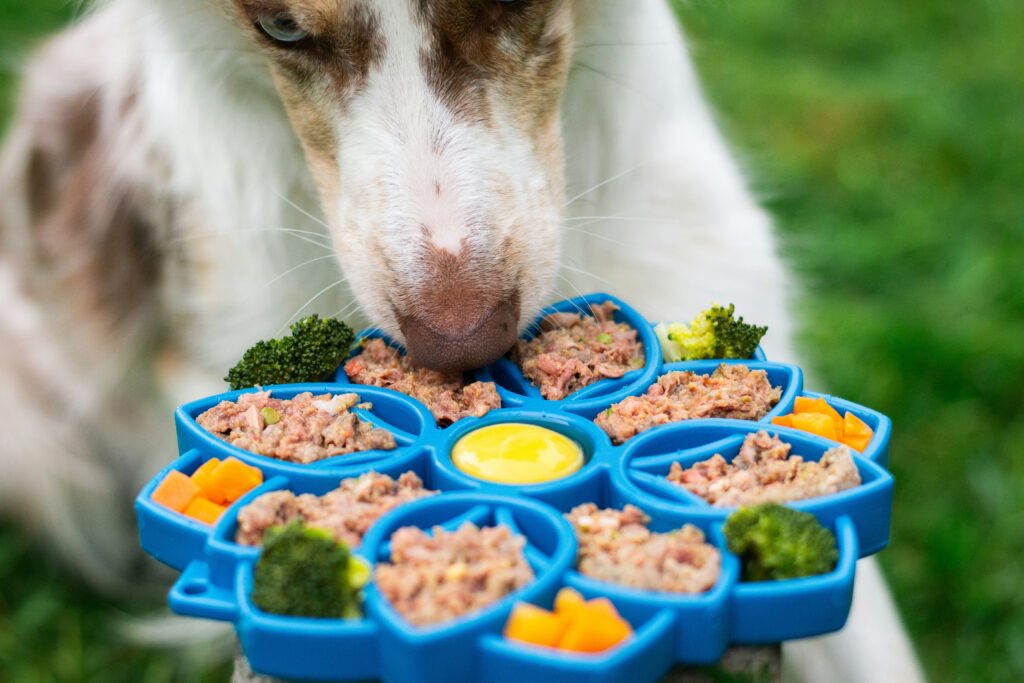
When it comes to choosing what goes in the bowl, commercial puppy foods offer convenience and balanced formulas but not all kibbles are created equal. Look for products that list a named protein (like chicken or lamb) as the first ingredient, not fillers. On the flip side, homemade diets give you full control, but they require serious planning. Skip the random mix of table scraps. If you’re going DIY, work with a vet or canine nutritionist.
Reading labels helps cut through the marketing fog. “Holistic” sounds good but isn’t regulated it tells you more about branding than quality. “Grain free” can help in rare cases of allergies, but it’s often unnecessary and may lack key nutrients if not properly formulated. Don’t let buzzwords fool you. Focus on certified formulas, ingredient transparency, and nutritional balance instead.
Adults: Maintenance, Energy, and Longevity

Once your dog hits the one year mark, the diet game changes. Fast growth slows down, and the focus shifts toward maintenance and long term health. Overfeeding becomes a silent threat most adult dogs burn fewer calories than people assume, especially indoor or less active breeds. That’s where portion control matters. Use a scale, not your gut.
Activity level is the next big lever. A working border collie isn’t going to eat like a couch loving bulldog, even if they weigh the same. Breed plays into this too. Labs, for example, are genetically more prone to weight gain. Food is fuel and the wrong mix can age a dog faster than you think.
Some owners start tossing supplements into the bowl around this stage: joint powders, coat boosters, probiotic chews. Here’s the rule of thumb talk to your vet first. If your dog’s on a balanced commercial food, they probably don’t need extra bells and whistles. You’re not fixing problems by over supplementing; you might just be wasting money.
The key in adulthood is balance over trends, and routine over guesswork. Feed intentionally, not just habitually.
Seniors: Caring for Aging Needs
As dogs grow older, their metabolism slows down, but their nutritional needs don’t just disappear. If anything, they get more specific. Senior dogs often need fewer calories to avoid weight gain, but what they do eat has to pack a punch more vitamins, better protein, and targeted nutrients for aging systems.
A smarter diet at this stage can help manage chronic issues before they spiral. Ingredients rich in omega 3s, antioxidants, and glucosamine can support joint flexibility, reduce inflammation, and ease stiffness. Lower phosphorus and sodium levels can help protect kidney and heart function, two areas that typically see wear with age. It’s not about loading their bowls it’s about loading their health.
So how do you tell if your older dog needs a dietary change? Watch for sluggishness, new digestive issues, weight changes, or sudden pickiness at mealtime. A shift in energy or bathroom habits can be a subtle cue that their current food isn’t cutting it anymore.
And don’t overlook how the food feels and tastes. Aging dogs often deal with dental issues or reduced appetite, making softened kibbles, wet food, or easy to chew options more practical. You’re not spoiling them you’re feeding in a way their body appreciates now.
Better nutrition at this stage won’t reverse the clock, but it can make the next chapters stronger, steadier, and a whole lot more comfortable.
Special Diets and Custom Plans
Not all dogs do well with a standard bag of kibble. Allergies, food sensitivities, and chronic conditions like IBD or pancreatitis are becoming increasingly common and they demand specialized diets, not guesswork. The first move? Rule out gimmicks and get to the source. Work with a vet to isolate triggers through food trials or blood panels. Only then does the real plan begin.
Vet prescribed diets are often the gold standard for diagnosing and managing issues. They’re formulated to minimize reactions and support targeted health needs. On the flip side, boutique limited ingredient options often marketed with buzzwords like “grain free” or “ancestral” can work, but quality control varies wildly. Don’t assume premium means better. Read labels like you’re decoding a contract.
Raw and home cooked diets are gaining steam too. Done right, they can offer better digestibility and fewer fillers. Done wrong, they can create imbalances that do more harm than good. If this path appeals to you, consult a veterinary nutritionist and invest the time to build a rotation that hits all the macros and micros your dog actually needs.
No matter where you land, the key is to keep the plan flexible. Your dog’s needs will shift with age, activity, and health. What worked for them at two years old might not cut it at ten. Listen to their body, track the response to diet changes, and don’t be afraid to recalibrate. A custom feeding strategy isn’t just a phase it’s a lifelong process.
Final Notes on Long Term Health
Feeding your dog isn’t just about meeting basic needs it’s about setting rhythms that support long term well being. Dogs thrive on consistency. Feeding them at the same times daily, with the same volume and type of food, reinforces biological stability. Sudden shifts whether in timing, portions, or ingredients can trigger digestive issues or behavioral hiccups. Routine builds trust, and your dog’s body relies on that predictability.
But routine should never turn into autopilot. Revisit your dog’s diet at key life stages puppyhood, adulthood, and especially senior years. Big shifts in weight, energy, or appetite are also signals you shouldn’t ignore. That’s when it’s time to loop in your vet. They can evaluate whether your dog’s current meal plan still serves their needs or if it’s time to pivot.
Done right, a balanced diet adds more than just years it adds quality to every one of them. Fewer vet visits, steadier moods, stronger joints, shinier coats. Feeding your dog with intention now pays off in ways you’ll both feel for a long time.