I’ve seen too many people give up on healthy eating because they’re trying to do it alone.
You’re probably here because you know what you should be eating but can’t seem to stick with it. The motivation fades. The costs add up. And honestly, meal prepping by yourself gets old fast.
Here’s what changes everything: eating healthy with other people who actually get it.
A food club isn’t just a group that talks about nutrition. It’s where you find real accountability, split the cost of quality ingredients, and actually enjoy the process instead of treating it like another task on your list.
I’m going to show you what a healthy food club really is and why it works when going solo doesn’t. You’ll learn the specific benefits that make these clubs effective and how to find one that fits your goals.
Or start your own if nothing exists near you yet.
fhthfoodcult has helped thousands of people turn healthy eating from a struggle into something they look forward to. We’ve seen what works and what doesn’t when it comes to building a sustainable approach to food.
By the end of this guide, you’ll know exactly how to use a food club to make healthy eating stick. Not for a month. For good.
What Defines a Healthy Eating Food Club?
Ever joined a diet group that felt more like a punishment than a community?
You show up. Everyone’s counting calories. Someone’s crying about carbs. And you’re sitting there wondering why this feels so miserable.
Here’s what most people get wrong about food clubs.
They think it’s just another diet plan with a group chat attached. A place where you weigh in every week and feel guilty about the pizza you ate on Tuesday.
But a real food club? That’s something different.
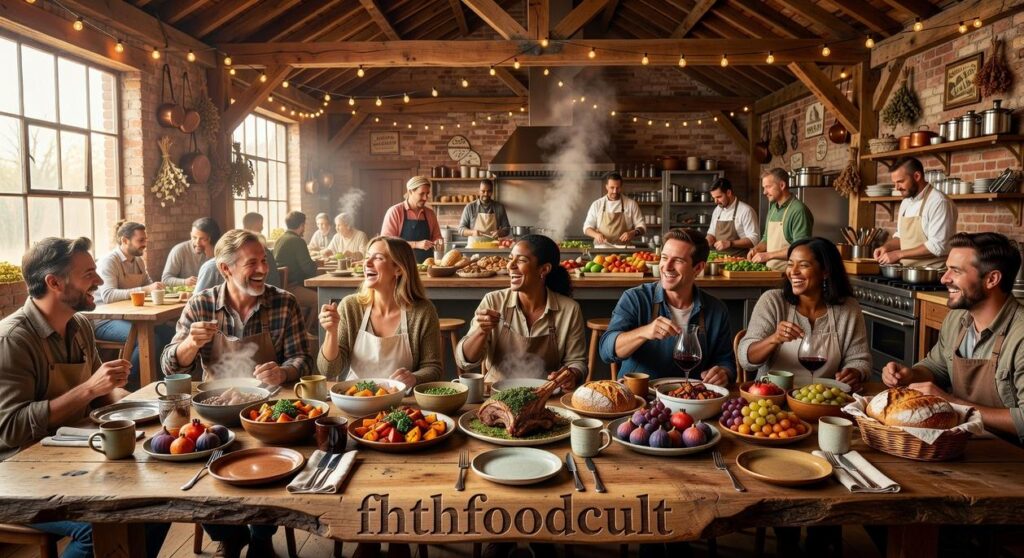
It’s a community where people actually want to show up. Where you learn from each other instead of competing. Where the goal isn’t to follow some rigid meal plan but to figure out what healthy eating looks like for you.
I’ve seen both types. The difference is night and day.
What Makes a Food Club Actually Work
Think about the last time you tried to change your eating habits alone. How’d that go?
Most of us need other people. Not to judge us but to keep us moving forward.
A healthy food club stands on three things. First, everyone agrees on why they’re there. Maybe it’s eating more whole foods or supporting local farms. Whatever it is, you’re all working toward the same thing.
Second, people actually participate. A club where three people do everything while twenty others lurk? That’s not a club. That’s a chore.
Third, nobody makes you feel bad for being human. You ate fast food twice this week? Cool. Let’s talk about why and how to make it easier next time.
The Different Flavors of Food Clubs
Some clubs focus on recipe swaps and meal prep sessions. You bring your favorite healthy recipe, someone else brings theirs, and suddenly you’ve got a month’s worth of new meals. Then you all get together on Sunday and knock out your weekly cooking in a few hours.
Co-op buying clubs work differently. Members pool money to buy organic produce or specialty items straight from farms or wholesalers. You save money and the farmers get a reliable customer. (Plus you’re not paying for fancy grocery store markup.)
Then there are online communities. Maybe you’re in a small town or your schedule’s packed. Digital groups on Facebook or Slack let you share tips and get support without leaving your couch. fhthfoodcult brings together people who want real food conversations, not diet culture nonsense.
The format matters less than the people.
Find a group that feels right and you’ll stick with it. Find one that feels like homework and you’ll quit in two weeks.
The 5 Transformative Benefits of Joining a Club
I joined my first food club three years ago.
Not because I needed more friends or wanted to save a few bucks. I was stuck in a cycle of eating the same five meals and feeling worse every week.
Here’s what actually changed.
Sustained Motivation & Accountability
You know that feeling when you start strong on Monday and give up by Thursday? A club fixes that.
When other people know your goals, you show up differently. A study from the American Society of Training and Development found that you have a 65% chance of completing a goal if you commit to someone else (and that jumps to 95% when you have ongoing check-ins).
It turns your personal mission into something bigger. Someone asks how your meal prep went. Another member shares their win with a new recipe. You don’t want to be the one who bails.
Curated Knowledge & Less Overwhelm
I used to spend hours scrolling through recipe blogs and conflicting nutrition advice.
Clubs cut through that noise. You get recipes that real people have tested. Meal plans that actually work for busy schedules. Tips on how to prepare brunch Fhthfoodcult style gatherings without losing your mind.
No more guessing if something’s worth your time.
Significant Cost Savings
This one surprised me most.
Buying clubs can reduce your grocery bills by 20-40% on quality items. We’re talking organic produce, grass-fed meats, and pantry staples that usually cost a fortune.
The math is simple. When you pool resources with other members, you get bulk pricing without buying quantities you can’t use. One club I know saved members an average of $180 per month according to their internal tracking.
Expand Your Culinary Horizons
I ate chicken and rice for two years straight.
Then I met someone in my club who grew up cooking Persian food. Another member introduced me to fermentation. A third showed me how to use ingredients I’d walked past in stores for decades.
You break out of your rut fast when you’re surrounded by people with different backgrounds and cooking styles.
A Built-in Wellness Support System
This matters more than people admit.
Research published in the Journal of Health Psychology shows that social support directly impacts your ability to maintain healthy behaviors. People with strong social connections are 50% more likely to stick with wellness goals long term.
You’re not just swapping recipes. You’re connecting with people who get why you care about what you eat. Who understand the challenges. Who celebrate when you figure something out.
That kind of support? You can’t put a price on it.
How to Find the Perfect Healthy Food Club for You

You want to eat better.
Maybe you’re tired of meal planning alone or you need some accountability. Or maybe you just want to meet people who actually get excited about farmers markets instead of giving you weird looks. If you’re eager to connect with fellow food enthusiasts who share your passion for farmers markets, be sure to check out the vibrant community on our Homepage, where you can find support and inspiration for your culinary adventures. To discover a vibrant community of fellow food enthusiasts who share your passion for farmers markets, be sure to visit our where you can connect and collaborate with like-minded individuals.
Whatever your reason, finding the right healthy food club can change everything.
I’m talking about built-in meal prep buddies, recipe swaps that actually taste good, and a group that keeps you showing up even when motivation tanks.
But here’s where most people mess up.
They join the first club they find and wonder why it feels off. The vibe doesn’t match. The focus is wrong. They stop going after two meetings.
Let me walk you through how to find a club that actually fits.
Start With What You Actually Want
Before you search anywhere, get clear on your goals.
Are you going plant-based and need support? Looking for family-friendly meal ideas that won’t make your kids revolt? Training for something and need performance nutrition advice?
Your goal matters because it filters out 90% of the wrong options right away.
A club focused on bodybuilding macros won’t help if you’re trying to feed three picky kids on a budget. And a casual potluck group won’t cut it if you’re serious about athletic performance.
Where to Actually Look
Once you know what you want, start searching in places where these groups hang out.
Check Meetup.com first. Search for terms like “healthy eating” or “plant-based cooking” plus your city name. You’ll find groups that are actively meeting and looking for members.
Facebook Groups work too. Type in specific searches like “Whole Food Club [Your City]” or “Clean Eating Meetup [Your Area]”. The more specific you get, the better your results.
Don’t skip the offline spots either.
Walk into your local gym, yoga studio, or health food store and look at their bulletin boards. I’ve found some of the best groups this way because they’re usually run by people who are serious enough to print flyers.
Ask around too. Your coworker who brings those amazing lunches? Your friend who’s always talking about meal prep? They might know groups you’d never find online.
Questions to Ask Before You Join
You found a club that looks promising. Great.
Now you need to vet it before you commit.
Reach out to the organizer or show up to one meeting as a guest. Then ask these questions.
What’s expected from members? Some clubs want you at every meeting. Others are come-when-you-can. Know what you’re signing up for.
Is there a fee? Monthly dues, potluck contributions, or shared grocery costs. Get the numbers upfront.
What’s the vibe like? This one’s harder to pin down but it matters most. Are people competitive or supportive? Rigid or flexible? You’ll feel it when you meet them.
How does the group handle dietary restrictions? If you’re gluten-free or have allergies, you need to know if the group accommodates that or if you’ll be the odd one out.
What does a typical meeting look like? Cooking together, restaurant outings, recipe swaps, or nutrition workshops? Make sure their format matches what you’re looking for.
Here’s something most people don’t think about.
The best club for you might not be the biggest or most popular one. It’s the one where you feel comfortable asking questions and trying new things without judgment.
I’ve seen people thrive in small fhthfoodcult communities of five members because the fit was right. And I’ve seen others get lost in groups of fifty because nobody noticed when they stopped showing up.
The perfect club gives you what you came for. Better eating habits, new friends, or just some accountability to keep going.
You’ll know it when you find it.
Your 4-Step Guide to Starting Your Own Food Club
You know that scene in Julie & Julia where she’s cooking through that massive cookbook and blogging about it?
That’s basically what a food club can be. Except you’re doing it with people who actually care about what you’re making (and might bring wine).
Look, I’ve seen people overthink this to death. They want perfect recipes and fancy meetup spots before they even start.
Here’s what actually works.
1. Start Small & Define a Niche
Grab 3-5 friends who want the same thing. Maybe it’s mastering healthy lunches. Or finally learning to bake bread that doesn’t turn into a brick.
The key? Pick ONE thing. Not “we’ll cook everything.” That’s how clubs die in week two.
2. Establish a Simple Framework
Will you meet weekly? Share one recipe in a group chat? Keep it stupid simple at first.
Some people say you need structure and rules from day one. But honestly? That just scares people off. You can add structure later when everyone’s hooked.
3. Choose Your Platform
WhatsApp. Slack. A private Facebook group. Pick whatever your people already use.
Don’t make them download some new app. (Nobody needs another notification source in their life.)
4. Lead the First Initiative
Someone has to go first. Schedule that first meetup. Share that first recipe.
This is where most fhthfoodcult ideas stall out. Everyone’s waiting for someone else to start. In the midst of the creative stagnation surrounding brunch ideas, understanding How to Prepare Brunch Fhthfoodcult can ignite inspiration and encourage everyone to contribute their unique flavors to the table.How to Prepare Brunch Fhthfoodcult By exploring innovative recipes and techniques, gamers can discover how to prepare brunch Fhthfoodcult, transforming a mundane meal into a vibrant celebration of creativity that inspires everyone to bring their own unique flair to the table.How to Prepare Brunch Fhthfoodcult
Be that person.
Your Journey to Better Health Starts with Community
Healthy eating feels impossible when you’re doing it alone.
You start strong on Monday. By Thursday you’re back to old habits because nobody around you gets it.
I’ve seen this pattern repeat itself countless times. The problem isn’t your willpower or discipline.
It’s that you’re trying to change your life in isolation.
A fhthfoodcult changes everything. You get people who understand the struggle and celebrate the wins with you.
This guide gave you the complete roadmap. You know how to find a club that fits your life and what to look for when you join.
The real magic happens when healthy eating stops being a solo grind. It becomes something you share with people who actually care about your progress.
Support and shared knowledge are what make the difference between another failed diet and lasting change.
Here’s your next move: Search for a local group using the strategies I showed you. Or text a friend right now and start your own micro-club this week.
You don’t need a perfect plan. You just need to take that first step with someone else. Healthy Brunch Ideas Fhthfoodcult. Easy Ethnic Recipes Fhthfoodcult.
 There is a specific skill involved in explaining something clearly — one that is completely separate from actually knowing the subject. Tavien Rothwynd has both. They has spent years working with culinary exploration and recipes in a hands-on capacity, and an equal amount of time figuring out how to translate that experience into writing that people with different backgrounds can actually absorb and use.
Tavien tends to approach complex subjects — Culinary Exploration and Recipes, More, Food Insights being good examples — by starting with what the reader already knows, then building outward from there rather than dropping them in the deep end. It sounds like a small thing. In practice it makes a significant difference in whether someone finishes the article or abandons it halfway through. They is also good at knowing when to stop — a surprisingly underrated skill. Some writers bury useful information under so many caveats and qualifications that the point disappears. Tavien knows where the point is and gets there without too many detours.
The practical effect of all this is that people who read Tavien's work tend to come away actually capable of doing something with it. Not just vaguely informed — actually capable. For a writer working in culinary exploration and recipes, that is probably the best possible outcome, and it's the standard Tavien holds they's own work to.
There is a specific skill involved in explaining something clearly — one that is completely separate from actually knowing the subject. Tavien Rothwynd has both. They has spent years working with culinary exploration and recipes in a hands-on capacity, and an equal amount of time figuring out how to translate that experience into writing that people with different backgrounds can actually absorb and use.
Tavien tends to approach complex subjects — Culinary Exploration and Recipes, More, Food Insights being good examples — by starting with what the reader already knows, then building outward from there rather than dropping them in the deep end. It sounds like a small thing. In practice it makes a significant difference in whether someone finishes the article or abandons it halfway through. They is also good at knowing when to stop — a surprisingly underrated skill. Some writers bury useful information under so many caveats and qualifications that the point disappears. Tavien knows where the point is and gets there without too many detours.
The practical effect of all this is that people who read Tavien's work tend to come away actually capable of doing something with it. Not just vaguely informed — actually capable. For a writer working in culinary exploration and recipes, that is probably the best possible outcome, and it's the standard Tavien holds they's own work to.