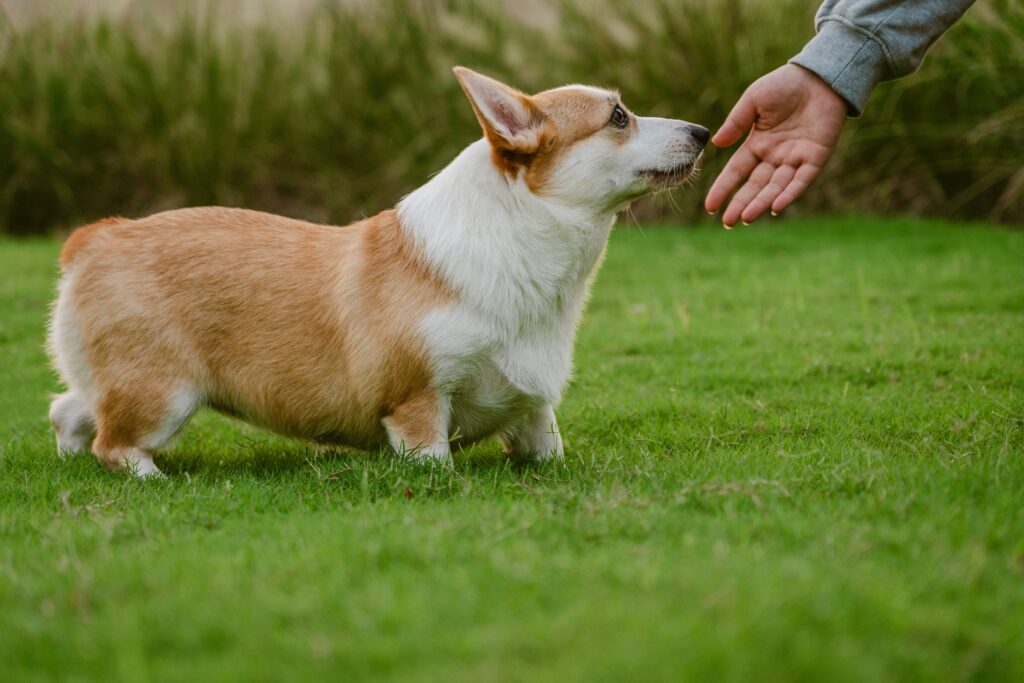

What Positive Reinforcement Really Means
At its core, positive reinforcement is simple: reward the behavior you want, and you’ll see more of it. Instead of scolding pets for what they do wrong, you guide them by highlighting what they do right. The reward can be anything meaningful to the animal treats, toys, praise, or playtime.
Timing matters. Delivering a reward just moments after the behavior helps the pet connect the dots. Too late, and the moment’s gone. Consistency is the second pillar. If you reward a behavior once and ignore it next time, don’t expect results. Pets need repetition to understand patterns.
Finally, the reward needs to matter. A dry biscuit won’t cut it if your dog is more into tug of war. Know what motivates your animal and use that to your advantage.
Positive reinforcement stands in sharp contrast to punishment based methods. Where punishing mistakes can introduce fear and confusion, rewarding good behavior builds trust and confidence. You’re not intimidating your pet into obedience. You’re creating a shared language based on mutual benefit.
This approach doesn’t just get results it strengthens the relationship between human and animal. And that’s what training should be about.
The Science Behind the Method
Positive reinforcement isn’t some fluffy trend. It’s built on decades of solid behavioral science. Think Pavlov, who showed how animals learn associations, or Skinner, who proved that behavior shaped by rewards is more likely to stick around. When your pet gets a treat, praise, or a favorite toy right after doing something right, their brain takes notes. Do the behavior, get the reward that’s how habits form.
But what makes it so effective isn’t just the psychology. It’s the emotional outcome. Unlike punishment based methods that often rely on fear or confusion, positive reinforcement builds a relationship rooted in trust. Your pet doesn’t just learn what to do they learn that working with you leads to good things. That changes the whole dynamic.
Even better, it supports natural problem solving. Instead of shutting down, pets start to think. They try new responses. They engage. And this isn’t limited to dogs cats, birds, rabbits, and even reptiles respond when rewards are consistent and meaningful. It’s not magic. It’s behavioral science, applied with respect.
Why It Works for Every Animal Type
Positive reinforcement scales surprisingly well across species not just the usual suspects like dogs and cats. For dogs, this method clicks fast. They thrive on structure and clear feedback, so treats or praise offered at the right moment lead to quicker command retention, improved focus, and better behavior over time. It’s efficient, and dogs tend to love the process.
Cats, contrary to popular belief, are highly trainable. It’s just not the same kind of training. They need patience, predictable rewards, and very low stakes environments. A cat may never roll over like your golden retriever, but it can absolutely learn to sit, stay, or even use a toilet if the motivation is a tasty enough treat.
For birds, rabbits, and reptiles, it’s all about scaling expectations. These animals respond to cues and rewards, too. Keep sessions short. Use gentle signals. For parrots, target training can open up a surprising range of tricks. Rabbits can learn obstacle courses. Even bearded dragons have been taught to come when called.
Older pets and those with disabilities often benefit most from positive reinforcement. It doesn’t rely on physical corrections, which can be painful or confusing. Instead, it meets them where they are building trust, encouraging autonomy, and respecting their pace.
Bottom line: if it has a brain and a way to sense rewards, it can probably be trained. You just need to adjust your style to match the species.
Real World Proof: Measurable Behavioral Change

From Fearful to Focused
One of the most significant advantages of positive reinforcement training is its impact on behavior driven by fear and anxiety. Rather than punishing unwanted actions, this method redirects energy into learning and trust building.
Common anxiety driven behaviors that decrease with positive reinforcement:
Destructive chewing, especially when left alone
Excessive hiding or withdrawal
Reactive aggression or fear based lunging
When pets feel secure in the learning process, they’re more likely to engage calmly and with confidence.
More Responsiveness, Less Resistance
As training becomes a positive experience, pets begin to associate commands and routines with good outcomes. This makes them more responsive, not just to commands, but to shifts in environment and social interaction.
Key benefits of this increased responsiveness include:
Quicker adaptation to new environments or family members
Better focus during training, even in distracting settings
A more predictable and manageable pet
Reliability That Lasts
Unlike punishment based systems, which may work briefly but create stress or confusion, positive reinforcement builds reliable habits. Pets begin to perform tasks not just because they’re told, but because good behavior has become a pattern reinforced by encouragement.
Positive reinforcement supports:
Long term consistency in behavior
Reduced dependence on constant correction
Improved communication between pet and owner
This approach paves the way toward lifelong learning and behavior that sticks.
Getting Started the Right Way
Training success begins with preparation. Before diving into full routines, setting the right foundation creates a smoother experience for both you and your pet. Positive reinforcement training works best when sessions are structured yet flexible.
Choose the Right Rewards
Not all rewards are created equal and not all pets respond to treats alone. Understanding what your pet values most can significantly impact motivation and learning speed.
Food treats are often the go to but they should be high value and easy to consume
Toys or playtime work well for energetic pets
Verbal praise and attention are sometimes more meaningful than snacks
Explore which rewards your pet naturally responds to, and rotate them to avoid overuse
Set the Environment for Focus
Distractions can derail a training session before it even begins. Keeping sessions short and focused ensures better long term retention.
Aim for 5 10 minutes per session, depending on the animal’s attention span
Train in a quiet space free from loud noises or foot traffic
Repeat sessions daily rather than cramming too much into one sitting
Build from Simple to Complex
All training plans should start with basic, clearly defined behaviors. Once those are reliably learned, you can gradually increase the difficulty.
Begin with commands like “sit,” “stay,” or “come”
Use clear markers (clickers or consistent words like “yes”) to signal success
Layer in duration, distance, and distractions gradually
For Dog Owners: Start with the Essentials
Dogs especially benefit from positive reinforcement when addressing foundational behaviors. Invest early in skills that will support long term safety and enjoyment.
Recall training ensures your dog comes back reliably when called
Leash walking helps curb pulling and improves overall control
Always reward calm engagement rather than reactive behaviors
For more guidance on canine specific challenges, check out this resource: How to Deal with Common Puppy Behavior Problems
2026 Tools That Make It Easier
Clicker training isn’t going anywhere it still delivers great results with the right timing and reward. But now, tech is making training simpler, more personalized, and easier to track over time. Smart collars and wearable monitors can log behavior patterns, alert you to stress cues, and even automate reminders for training sessions. It’s not overkill it’s clarity.
Apps are picking up the slack too. Some now analyze pet responses and suggest tweaks to your approach. Others gamify the process entirely: think point systems, daily streaks, and challenges tailored to your dog’s (or cat’s) personality and learning style.
And if you’re feeling stuck? You’re not alone. A growing number of certified positive reinforcement trainers offer real time feedback online through video consults, forums, or structured programs. Global access to professional help is no longer a luxury it’s part of the new normal for smart, compassionate pet owners.
Final Word: Train the Relationship, Not Just the Behavior
Positive reinforcement isn’t about quick fixes or rigid obedience. It’s about building trust, one reward at a time. When you train with encouragement instead of fear, your pet learns to look to you not just for direction, but for connection. It changes the whole dynamic. You’re not the drill sergeant barking orders; you’re the guide showing them how to succeed.
Consistency beats perfection every time. You’re going to miss cues. Your timing won’t always be flawless. That’s fine. What matters is showing up, rewarding what’s right, and being patient through the imperfect reps. Progress stacks over time. One good day becomes two. A habit becomes a bond.
And yes it works across the spectrum. Puppies with boundless energy. Parrots who scream for attention. Even skeptical senior cats. Reinforcement meets animals where they are, not where we expect them to be. That’s what makes it powerful. That’s why it works.