
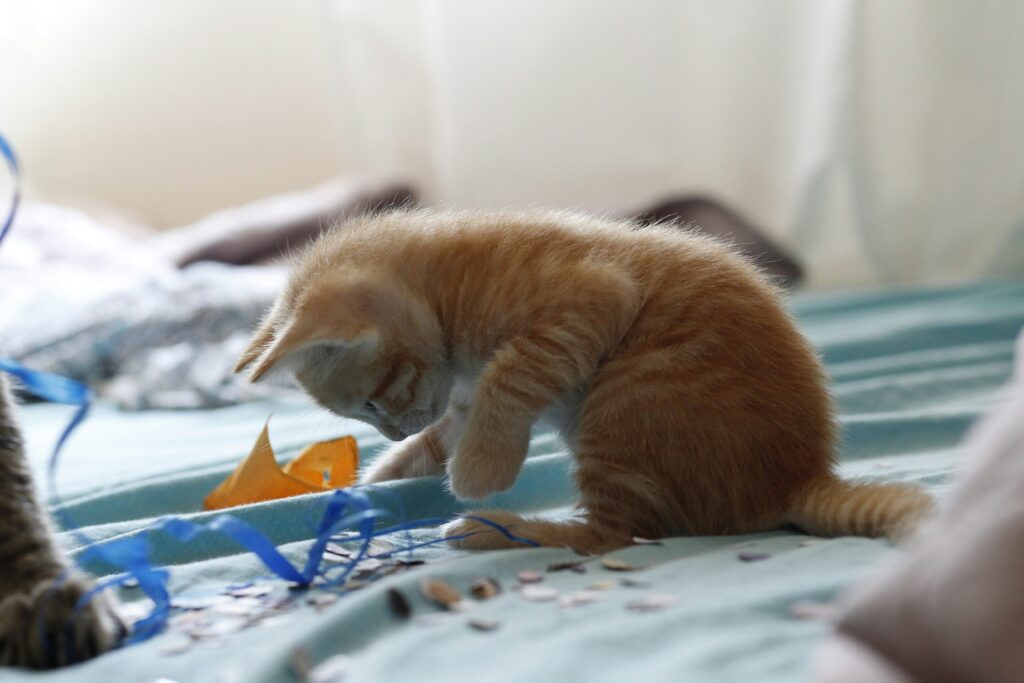
Start Early, Keep It Simple
The best time to start litter training is when your kitten is between 3 to 8 weeks old. This is when they’re naturally curious, quick to adapt, and just starting to explore life beyond mom’s side. Wait too long, and habits start to harden some of them messy.
Pick a quiet, low traffic spot in your home for the training box. No loud machines, no sudden interruptions, and definitely no high foot traffic. Kittens want calm when they go. This helps cut down on stress and distractions, making it easier for them to focus on what matters: using the box.
Stick with one box at first. Don’t scatter them around the house like a treasure hunt. One location, one scent, one habit. It gives your kitten a clear sense of where to go, every single time. Once that habit locks in, you can start thinking about adding a second box or shifting locations. But in the beginning simple beats clever.
Choosing the Right Litter and Box
Choosing the correct litter and litter box for your kitten is just as important as the training itself. The right combination encourages fast, stress free learning and can help prevent many common issues down the line.
What Type of Litter is Safest for Kittens?
Not all cat litter is created equal especially when it comes to young kittens.
Clumping vs. Non Clumping:
Non clumping litter is strongly recommended in the early months. Kittens are naturally curious and may try to taste or ingest what’s in the box. Clumping litter contains materials that expand when wet, which can cause dangerous intestinal blockages if swallowed.
Veterinarian advice in 2026 continues to favor non clumping litter for kittens under 4 months old.
Once your kitten is older and past the oral exploratory stage, you may safely transition to a high quality clumping litter if desired.
Open Tray or Covered Box?
Your kitten’s comfort and sense of safety matter. When choosing the type of box:
Open trays are often best for starters. They allow kittens to easily enter and exit the box and can reduce fear or hesitation.
Covered boxes may feel confined and could trap odor, which might put off a new kitten.
For kittens under 6 months, stick to open trays. You can later transition to a covered box if needed once the habit is strong.
Avoid Scents and Additives
While you may want a litter that smells fresh, strong scents can actually work against you:
Kittens rely heavily on smell; perfumed litters may confuse or repel them.
Avoid litters with added deodorizers, chemicals, or antibacterial agents in the early stages.
Choose natural, unscented options designed for kittens whenever possible.
Pro Tip: If you want to reduce odor without using scented litter, scoop diligently and consider placing a small air purifier near the litter area.
Setting up the right environment from the start can make litter training smoother and faster for both you and your kitten. Make choices that maximize comfort, safety, and cleanliness to help build a positive routine.
Step by Step Training Routine
Start forming the habit early by placing your kitten gently into the litter box right after they eat or wake up. These are natural moments when they tend to eliminate, so you’re putting the odds in your favor. Don’t just plop them in and walk away stay for a second and guide them. Lightly scratch their front paws through the clean litter. This mimics the natural digging instinct and helps them connect the texture with where they’re supposed to go.
If (or really, when) accidents happen, clean them thoroughly but don’t overreact. Use enzyme based cleaners not ammonia. Ammonia smells like urine and might actually encourage repeat offenses in the wrong spot. The key is to eliminate the scent and move on. No scolding, no drama just reset and try again. The goal is to help them succeed, not punish them for being new to the world.
Using Positive Reinforcement

Training your kitten isn’t about discipline it’s about encouragement. Positive reinforcement lays the foundation for trust and lasting habits, especially when your cat is still building confidence in their new environment.
Why Positive Feedback Works
Kittens, like most animals, respond better to rewards than to punishment. Associating the litter box with comfort and praise increases the chances they’ll use it consistently.
Always praise your kitten when they use the litter box. A calm voice and gentle petting go a long way.
Never yell or punish after an accident this creates fear, not learning.
Simple Rewards That Reinforce Good Behavior
Building a positive association with litter training can be as simple or structured as you’d like:
Use treats immediately after successful use to encourage repetition.
Try clicker training to mark the desired behavior precisely. Over time, your kitten will connect the click with a positive result.
Offer extra playtime or affection as a reward. Sometimes attention is the best motivator.
Learn More: The Science Behind It
For a deeper look at why this method works and how to apply it across other forms of pet training, check out this helpful guide:
Positive Reinforcement Training: Why It Works for All Pets
Troubleshooting Common Issues
Even with a solid routine, some kittens may run into bumps along the way. Knowing how to respond helps avoid setbacks and keeps the training process on track.
If Your Kitten Avoids the Litter Box
Avoidance is often a sign that something in the environment isn’t working. Double check the fundamentals:
Box placement: Is it too close to food or in a noisy area? Kittens prefer quiet, private spots.
Litter choice: Some kittens are sensitive to texture or smell try switching to an unscented formula.
Cleanliness: A dirty litter box might cause your kitten to look elsewhere. Scoop daily and clean regularly.
Accidents Outside the Box: What They May Mean
Occasional accidents are normal, but frequent ones may signal deeper issues:
Stress or anxiety: New environments, loud noises, or changes in routine can affect behavior.
Medical issues: Persistent accidents could point to urinary infections or digestive problems.
Territorial behavior: If there are other pets, your kitten may be marking or reacting to shared spaces.
Use an enzyme based cleaner (never ammonia) to eliminate odors and discourage repeat accidents in the same spot.
When to See the Vet and When to Wait
It’s important to know when to seek professional help versus when to give it more time:
Consult your vet if:
Accidents are frequent and unpredictable
Your kitten strains, cries, or seems in pain while eliminating
There’s blood in the urine or feces
Stay patient if:
You’ve recently changed litter or box location
The kitten is very young and still learning
You’re seeing gradual improvement with consistent effort
Stay observant and flexible. Most litter box issues can be corrected with small adjustments and a touch of patience.
Building Good Long Term Habits
At around six months of age, your kitten is likely comfortable with the litter box routine and that’s your sign to level up. Add a second box in a separate, accessible area. It’s not just for convenience; it reduces stress if one box is temporarily dirty or out of reach. Two boxes also support good hygiene, especially in multi story homes.
Daily spot cleaning is non negotiable. Scoop waste regularly to keep odors down and litter fresh. Once a week, do a full deep clean: dump all litter, wash the box with mild, unscented soap, rinse thoroughly, and refill with fresh litter. Your kitten will thank you by continuing to use the box without fuss.
If you started training with a box in a temporary location, now’s the time to move it to where it’ll stay long term. Make the transition slow just a few feet each day to avoid confusing your cat. When habits are strong, they’ll follow, no drama.
Final Tips for Success
Don’t rush it. Litter training isn’t a race. What matters is consistency and a calm, predictable routine. Kittens thrive on low stress environments, so the more stable you can make their surroundings, the faster they’ll catch on. Stick to the same box, same litter, same spot no surprises.
Keep an eye on your kitten’s habits. Are they using the box after every meal? Having accidents at certain times? Patterns matter. Adjust your approach based on what you see, not just what you expect. Maybe they need the box placed closer after nap time, or maybe they’re hesitant about the type of litter. Small changes based on observation can mean big progress.
With a bit of patience, most kittens are box pros within 7 14 days. The right setup simplifies everything: a quiet location, the right litter, and a consistent schedule. Stay steady, stay observant, and trust the process.
 There is a specific skill involved in explaining something clearly — one that is completely separate from actually knowing the subject. Tavien Rothwynd has both. They has spent years working with culinary exploration and recipes in a hands-on capacity, and an equal amount of time figuring out how to translate that experience into writing that people with different backgrounds can actually absorb and use.
Tavien tends to approach complex subjects — Culinary Exploration and Recipes, More, Food Insights being good examples — by starting with what the reader already knows, then building outward from there rather than dropping them in the deep end. It sounds like a small thing. In practice it makes a significant difference in whether someone finishes the article or abandons it halfway through. They is also good at knowing when to stop — a surprisingly underrated skill. Some writers bury useful information under so many caveats and qualifications that the point disappears. Tavien knows where the point is and gets there without too many detours.
The practical effect of all this is that people who read Tavien's work tend to come away actually capable of doing something with it. Not just vaguely informed — actually capable. For a writer working in culinary exploration and recipes, that is probably the best possible outcome, and it's the standard Tavien holds they's own work to.
There is a specific skill involved in explaining something clearly — one that is completely separate from actually knowing the subject. Tavien Rothwynd has both. They has spent years working with culinary exploration and recipes in a hands-on capacity, and an equal amount of time figuring out how to translate that experience into writing that people with different backgrounds can actually absorb and use.
Tavien tends to approach complex subjects — Culinary Exploration and Recipes, More, Food Insights being good examples — by starting with what the reader already knows, then building outward from there rather than dropping them in the deep end. It sounds like a small thing. In practice it makes a significant difference in whether someone finishes the article or abandons it halfway through. They is also good at knowing when to stop — a surprisingly underrated skill. Some writers bury useful information under so many caveats and qualifications that the point disappears. Tavien knows where the point is and gets there without too many detours.
The practical effect of all this is that people who read Tavien's work tend to come away actually capable of doing something with it. Not just vaguely informed — actually capable. For a writer working in culinary exploration and recipes, that is probably the best possible outcome, and it's the standard Tavien holds they's own work to.