
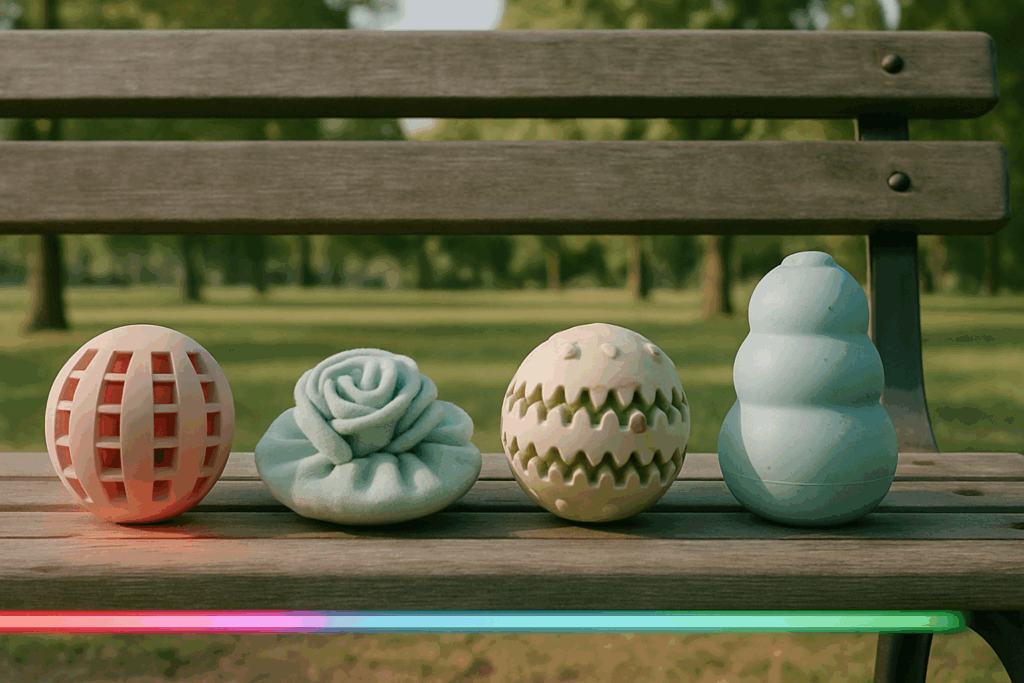
What Mental Stimulation Means for Dogs
A long walk or a wild game of fetch doesn’t always cut it. Physical activity burns calories, sure but it doesn’t tap into what makes dogs tick upstairs. Just like people, dogs need cognitive engagement. Without it, you get restlessness, anxiety, and all the problematic behaviors that come with boredom: chewing the couch, constant barking, digging through the trash. Sound familiar?
Mental stimulation gives dogs something to focus on. Puzzle solving, nose work, even simple training drills they all demand concentration and decision making. This kind of brain work reduces stress, fuels confidence, and keeps dogs sharp as they age. It’s not about overloading them it’s about offering the right kind of challenge, daily.
The payoff? Calmer dogs. Fewer destructive tendencies. A noticeable shift in how they interact with their environment and humans. Cognitive exercise isn’t a bonus it’s part of a complete wellness plan. Think of it as enrichment, not just entertainment.
Puzzle Feeders
Puzzle feeders turn mealtime into a mental workout. Instead of dropping kibble in a bowl and calling it a day, these toys make your dog think. Dogs have to nudge, paw, spin, or slide pieces around to get to their food, which keeps their brains engaged and their bellies satisfied.
One big advantage? Most puzzle feeders come with adjustable difficulty levels. Whether you’ve got a quick learning border collie or a laid back bulldog, you can tailor the experience to match their problem solving style. This isn’t just enrichment it’s customized enrichment.
They’re also lifesavers for owners of fast eaters. By slowing down how quickly dogs can access their food, puzzle feeders help improve digestion and reduce choking risks. Bottom line: it’s a fun, healthy way to feed your dog that pays off in calmer behavior and sharper focus.
Treat Dispensing Balls
Treat dispensing balls are more than simple toys they’re tools for channeling your dog’s mental energy in the right direction. These toys challenge dogs to work for their reward, offering both physical and cognitive stimulation.
Why Dogs Love Them
Problem solving made fun: Your dog has to roll, nudge, or paw the ball to release treats.
Energy outlet: Keeps active dogs entertained and moving.
Positive reinforcement: Rewards desired behaviors with tasty incentives.
Options for Every Dog
Size matters: Available in mini sizes for toy breeds and larger models for powerful chewers.
Material variety: Find options in rubber, plastic, and silicone to suit your dog’s play style.
Tech Savvy Features
App connected toys: Some treat balls come with smartphone apps that allow remote control or tracking of playtime.
Timers and auto dispense settings: Schedule activities for when you’re away to keep your pet engaged even during long workdays.
Treat dispensing balls are a practical, fun way to turn snack time into a brain building experience, ideal for dogs who need a little extra mental stimulation every day.
Electronic Hide and Seek Toys
If your dog is left home alone during the day and tends to get bored or destructive electronic hide and seek toys are worth a look. These battery powered toys aren’t just flashy tech. They randomly activate with motion, sound, or vibration to grab your dog’s attention when you’re not around. The goal: simulate the erratic movements of prey. It taps into your dog’s natural chase instincts, creating mental engagement that goes beyond tossing a ball around.
Some models zigzag across the room, others make squeaky noises, and a few even hide treats inside for extra motivation. What matters is the unpredictability it keeps dogs guessing, alert, and engaged. Set it up before you leave and let the toy handle solo play duty. It’s not a full time babysitter, but it helps fill in the gaps when your schedule gets tight.
Snuffle Mats

If your dog is guided more by nose than sight, snuffle mats are a no brainer. This is a back to basics toy that taps into the primal hunt for food instinct. Dogs get to sniff through soft fabric strips usually fleece to find treats or kibble tucked inside. It’s slow, focused work that keeps scent driven breeds like hounds and terriers fully engaged.
Snuffle mats aren’t just busywork. They mimic natural foraging, which helps reduce anxiety and channel energy into something productive. Great way to tire out high strung dogs without leaving the house.
Bonus: they’re dead simple to clean. Most go right in the wash, and rolling them up for storage takes seconds. No batteries, no noise just your dog doing what dogs were built to do.
Interactive Tug Toys with Suction Cups
If your dog lives for tug of war but you’re not always available to play, suction cup tug toys are a solid stand in. These tough toys anchor to smooth surfaces and give dogs the resistance they crave. It’s hands free and still delivers the good kind of burn.
Heavy chewers? These are built for them. The rope, the rubber, the suction pad they’re all geared for durability. High energy dogs that need to burn off steam get both strength training for their jaw and neck muscles, and a brain workout as they figure out how to win the tug.
Bonus: physical exertion + mental engagement = one tired, happy dog. Set it up before you head out, and you’ve just given your pup something to focus on besides barking at squirrels.
Smart Toys with Voice Control
High Tech Entertainment for Smart Pups
Smart dog toys are getting an upgrade these aren’t your average squeaky bones. Toys that connect to Wi Fi or Bluetooth bring a new level of interaction and convenience to your dog’s daily routine.
Scheduled Play Sessions: Many smart toys allow you to automate playtime, which is especially useful for working pet parents.
Remote Activation: Use your phone or device to start a game from anywhere.
Customizable Voice Commands
What sets these toys apart is their ability to respond to customized voice cues. You can personalize the interaction so your dog hears familiar commands, voices, or even praised phrases to stay mentally engaged.
Record your voice to activate games
Use positive reinforcement words to encourage participation
Tailor the experience based on your dog’s quirks and preferences
Integration with Smart Home Devices
Some advanced models even connect with virtual assistants like Amazon Alexa or Google Home. This allows for hands free operation and deeper integration into your home routine even letting you build playtime cues into your smart home schedule.
Play games via voice commands
Link toy activity with feeding or exercise routines
Monitor usage data to assess your dog’s engagement over time
DIY and Budget Friendly Brain Games
You don’t need to spend a fortune to challenge your dog’s brain. A muffin tin, a few tennis balls, and some kibble can turn into a simple puzzle feeder. Cardboard boxes become treasure hunts. Old towels? Perfect for burrito style treat wraps. The materials are basic, but the mental payoff for your dog is huge.
Keep a rotation going. Dogs, like people, get bored when it’s the same game every day. Swap out setups weekly to keep their curiosity fueled. One day it’s a towel sniffing challenge, the next it’s a box stack obstacle course. Variety keeps their brain firing and avoids game fatigue.
If you live in a multi pet home, DIY games have another advantage: customization. You can easily adjust difficulty levels or separate play zones to prevent competition or overstimulation. A little planning goes a long way.
For ideas on managing multiple pets at home, check out Best Litter Boxes for Multi Cat Households in 2026.
Choosing the Right Toy for Your Dog
Not all dogs play the same. Some thrive on constant movement and chaos, while others are methodical puzzle solvers. Knowing your dog’s play style and attention span is the first filter don’t expect a laid back senior to get excited about a hyperactive flashing ball.
Breed matters too. Terriers love to rip and tug. Retrievers tend to carry things. Scent hounds want toys they can sniff for hours. And then there’s jaw strength if your dog can chew through drywall, skip the plush toys.
One last tip: rotate toys. Don’t leave the same six lying around forever. Cycle them weekly to make old toys feel new again. It keeps curiosity high and boredom low.
What works isn’t the flashiest or most expensive it’s what fits your dog’s instincts, energy, and style.
Mental stimulation doesn’t require high tech devices or flashy toys. It starts with you showing up. A short, focused game of hide and seek, a sniff walk in a new area, or ten minutes of training basic commands these moments stretch your dog’s mind, build trust, and burn energy that would otherwise fuel bad habits.
Dogs thrive on interaction that challenges them just enough to think. When that happens every day even briefly you start noticing the changes: less barking, fewer torn up shoes, and a dog that actually listens. It’s not magic. It’s consistency. And it works better than the most expensive toy collecting dust on the floor.
Make it part of the routine. Morning, midday, or after dinner just pick a slot and commit. That daily engagement does more for your dog’s behavior and emotional health than any battery powered gizmo ever could.
 There is a specific skill involved in explaining something clearly — one that is completely separate from actually knowing the subject. Normando Pendergrassion has both. They has spent years working with more in a hands-on capacity, and an equal amount of time figuring out how to translate that experience into writing that people with different backgrounds can actually absorb and use.
Normando tends to approach complex subjects — More, Culinary Exploration and Recipes, Regional Culinary Traditions being good examples — by starting with what the reader already knows, then building outward from there rather than dropping them in the deep end. It sounds like a small thing. In practice it makes a significant difference in whether someone finishes the article or abandons it halfway through. They is also good at knowing when to stop — a surprisingly underrated skill. Some writers bury useful information under so many caveats and qualifications that the point disappears. Normando knows where the point is and gets there without too many detours.
The practical effect of all this is that people who read Normando's work tend to come away actually capable of doing something with it. Not just vaguely informed — actually capable. For a writer working in more, that is probably the best possible outcome, and it's the standard Normando holds they's own work to.
There is a specific skill involved in explaining something clearly — one that is completely separate from actually knowing the subject. Normando Pendergrassion has both. They has spent years working with more in a hands-on capacity, and an equal amount of time figuring out how to translate that experience into writing that people with different backgrounds can actually absorb and use.
Normando tends to approach complex subjects — More, Culinary Exploration and Recipes, Regional Culinary Traditions being good examples — by starting with what the reader already knows, then building outward from there rather than dropping them in the deep end. It sounds like a small thing. In practice it makes a significant difference in whether someone finishes the article or abandons it halfway through. They is also good at knowing when to stop — a surprisingly underrated skill. Some writers bury useful information under so many caveats and qualifications that the point disappears. Normando knows where the point is and gets there without too many detours.
The practical effect of all this is that people who read Normando's work tend to come away actually capable of doing something with it. Not just vaguely informed — actually capable. For a writer working in more, that is probably the best possible outcome, and it's the standard Normando holds they's own work to.