
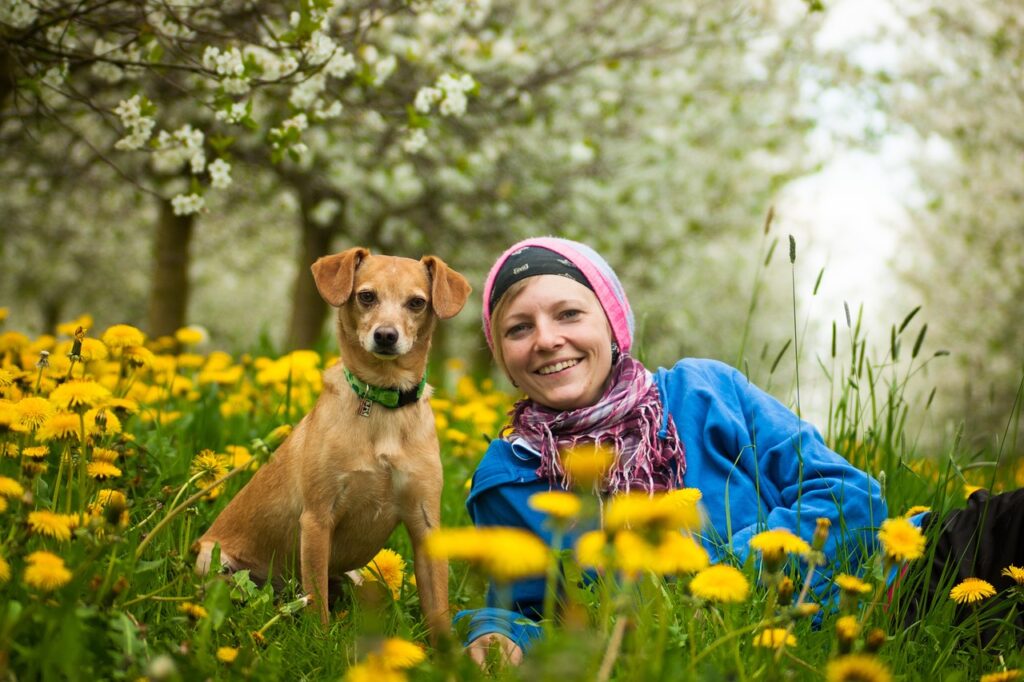
Are You Ready for a Pet?
Bringing a pet home isn’t just about finding something cute to cuddle. This is a real lifestyle shift and one you need to plan for. First, take a cold, honest look at your daily life. Do you have the time to walk a dog twice a day? Can your budget handle extra expenses like vet visits, food, grooming, or emergency care? Does your current living space even allow pets or the type you’re thinking about?
Next, think beyond logistics. Pets aren’t appliances you switch off. They get scared during storms. They make messes. They need attention, routine, and affection. If you’re not ready to invest emotionally, you’re not ready to adopt.
And don’t forget the long game. Some pets dogs, cats, even some birds can live 10 to 20 years. Your lifestyle today might work, but what about five years from now? Ten? Moving, job changes, family dynamics these things shift fast.
Bottom line: adoption is a commitment, not a trend. Think it through. Ask yourself the hard questions before making the leap. Top Questions to Ask Before Adopting a Pet
Choosing the Right Pet for You
Bringing a pet into your life is a joyful, life changing decision but it’s not one size fits all. Finding the right pet requires honest reflection on your lifestyle, energy level, and personal preferences. Here’s how to make the best match:
Match Energy Levels and Temperament
Pets have different needs not just physically, but emotionally. A mismatch in energy or personality can lead to stress for both you and the animal.
High energy lifestyle? Consider active dogs or playful cats.
Prefer a quieter environment? Older pets or more independent breeds may be a better fit.
Have children or other pets? Look for animals with calm, adaptable temperaments.
Before choosing, spend time observing how a pet interacts with people and other animals.
Which Pet Fits Your Life?
There’s no universal best pet just the best pet for you.
Dogs
Need regular exercise, attention, and consistent training
Great companions for active individuals or families
Consider breed size and needs (some breeds require more care and exercise than others)
Cats
Generally more independent than dogs
Require daily interaction, stimulation, and a clean litter box
Suited for smaller living spaces and quieter households
Small Animals (rabbits, hamsters, guinea pigs)
Ideal for individuals with limited space or time
Still require daily care, socialization, and appropriate housing
Rescue, Shelter, or Breeder: What’s the Difference?
Understanding where your pet comes from is key to informed adoption.
Rescue groups often specialize in specific breeds or situations (e.g., senior pets, abandoned cases).
Animal shelters are community based, typically offering a wider variety of pets.
Reputable breeders follow strict ethical guidelines but always research to avoid backyard breeders.
Adopting from a shelter or rescue provides a second chance to an animal in need and often includes initial vet care.
First Time Mistakes to Avoid
Even with the best intentions, new pet parents can make avoidable errors:
Choosing a pet based on looks alone
Underestimating the time and cost involved
Not researching breed specific traits and needs
Skipping proper training and socialization
Taking time to learn before you adopt prevents stress down the road for both you and your new companion.
Prep Before Bringing Your Pet Home

Getting a pet isn’t just a feel good moment. It’s logistics, planning, and a bit of elbow grease. Before your new companion sets paw in your home, you’ll want the essentials on hand.
Start with a supplies checklist. You’ll need food (ask the shelter or breeder what they’ve been eating), a crate or carrier, water and food bowls, a cozy bed, a few quality toys, and essential cleaning products think waste bags, enzyme cleaners, litter boxes for cats, and maybe a designated vacuum. If it smells, spills, or sheds, you’ll need to be ready.
Next, pet proof your space. In the living room, tuck away cords. In the kitchen, stash anything toxic like chocolate or cleaning sprays. Bathrooms? Close off the toilet lid and secure the trash. Think like a toddler is moving in, except this one might chew the furniture.
Designate a safe zone. This doesn’t have to be fancy; a quiet corner with a crate, blanket, and some starter toys does the trick. It offers your pet a consistent, calm place to land when the world feels too loud which it likely will at first.
Lastly, book that first vet appointment before your pet sets foot through your door. You’ll want to cover vaccinations, a wellness check, and microchipping if it hasn’t already been done. This also gets you in the system early in case something urgent comes up.
Lay the groundwork right, and you’ll make the transition easier on both of you.
The First Few Weeks: What to Expect
Bringing a new pet home is exciting, but the transition can be challenging. Your new companion is adjusting to a brand new environment, and patience will be your most valuable tool during these early days.
Allow for the Transition Period
It’s normal for pets to exhibit nervous or withdrawn behavior during the first few weeks
Some may hide, bark, whine, or have a few accidents don’t panic
Stick to a predictable routine while your pet learns the sights and sounds of your home
Tip: Avoid overwhelming your pet with too much attention or activity right away. Give them space to observe and explore on their own terms.
Create Consistent Routines
Structure helps pets feel secure. Try to keep feeding, walking, training, and bedtime schedules consistent:
Feed at the same times each day
Schedule regular bathroom breaks
Walks and play sessions should follow a predictable rhythm
Use the same commands and reinforcement techniques across all household members
Set the Foundation with Basic Training
Even if you’ve adopted an adult animal, training is essential and it starts the moment they come home.
Use positive reinforcement: reward good behavior with treats, toys, or praise
Focus on core commands like “sit,” “stay,” and “come”
Keep sessions short (5 10 minutes), but consistent
Address unwanted behavior calmly yelling or punishment only creates fear
Tip: Start crate or space training early to help establish boundaries and make your pet feel safe.
Introduce Slowly to Family Members and Other Pets
Your pet needs time to adjust to new people and animals. Start small:
Let your pet initiate interactions at their own pace
Keep introductions calm avoid loud voices, sudden touches, or crowding
For other pets in the home, supervise initial meetings and keep first interactions brief
Reward both pets for calm or positive behavior
Remember: Every pet is different. Some adjust quickly, others take weeks. Challenges are part of the process commitment and patience make all the difference.
When It Gets Tough
Bringing a pet home isn’t all cuddles and happy tail wags. Some behavior issues are part of the adjustment phase chewing, hiding, barking, accidents. These are normal, especially in the first few weeks. Your pet is figuring things out, just like you are. But there’s a line. Aggression, nonstop whining, refusal to eat, or destructive separation anxiety that doesn’t improve? That’s your signal to dig deeper.
Separation anxiety is more common than most expect, especially with rescues. Dogs might howl, pace, or destroy furniture. Cats can stop eating or overgroom. The solution isn’t punishment it’s patience, training, and structured alone time conditioning. Monitor progress. If there’s none, don’t wait. Get help.
Support is out there. A certified trainer can help with behavior. A vet can spot health related causes. Online forums connect you with people living the same story. There’s no badge for toughing it out alone.
At the end of the day, adoption is a forever deal. That means pushing through the hard parts, being flexible, and knowing when to bring in backup. Your pet doesn’t need perfect they just need you to show up.
Top Questions to Ask Before Adopting a Pet
 There is a specific skill involved in explaining something clearly — one that is completely separate from actually knowing the subject. Norah Porteranaz has both. They has spent years working with well curated recipes in a hands-on capacity, and an equal amount of time figuring out how to translate that experience into writing that people with different backgrounds can actually absorb and use.
Norah tends to approach complex subjects — Well Curated Recipes, More, Regional Culinary Traditions being good examples — by starting with what the reader already knows, then building outward from there rather than dropping them in the deep end. It sounds like a small thing. In practice it makes a significant difference in whether someone finishes the article or abandons it halfway through. They is also good at knowing when to stop — a surprisingly underrated skill. Some writers bury useful information under so many caveats and qualifications that the point disappears. Norah knows where the point is and gets there without too many detours.
The practical effect of all this is that people who read Norah's work tend to come away actually capable of doing something with it. Not just vaguely informed — actually capable. For a writer working in well curated recipes, that is probably the best possible outcome, and it's the standard Norah holds they's own work to.
There is a specific skill involved in explaining something clearly — one that is completely separate from actually knowing the subject. Norah Porteranaz has both. They has spent years working with well curated recipes in a hands-on capacity, and an equal amount of time figuring out how to translate that experience into writing that people with different backgrounds can actually absorb and use.
Norah tends to approach complex subjects — Well Curated Recipes, More, Regional Culinary Traditions being good examples — by starting with what the reader already knows, then building outward from there rather than dropping them in the deep end. It sounds like a small thing. In practice it makes a significant difference in whether someone finishes the article or abandons it halfway through. They is also good at knowing when to stop — a surprisingly underrated skill. Some writers bury useful information under so many caveats and qualifications that the point disappears. Norah knows where the point is and gets there without too many detours.
The practical effect of all this is that people who read Norah's work tend to come away actually capable of doing something with it. Not just vaguely informed — actually capable. For a writer working in well curated recipes, that is probably the best possible outcome, and it's the standard Norah holds they's own work to.