What Fostering Really Means
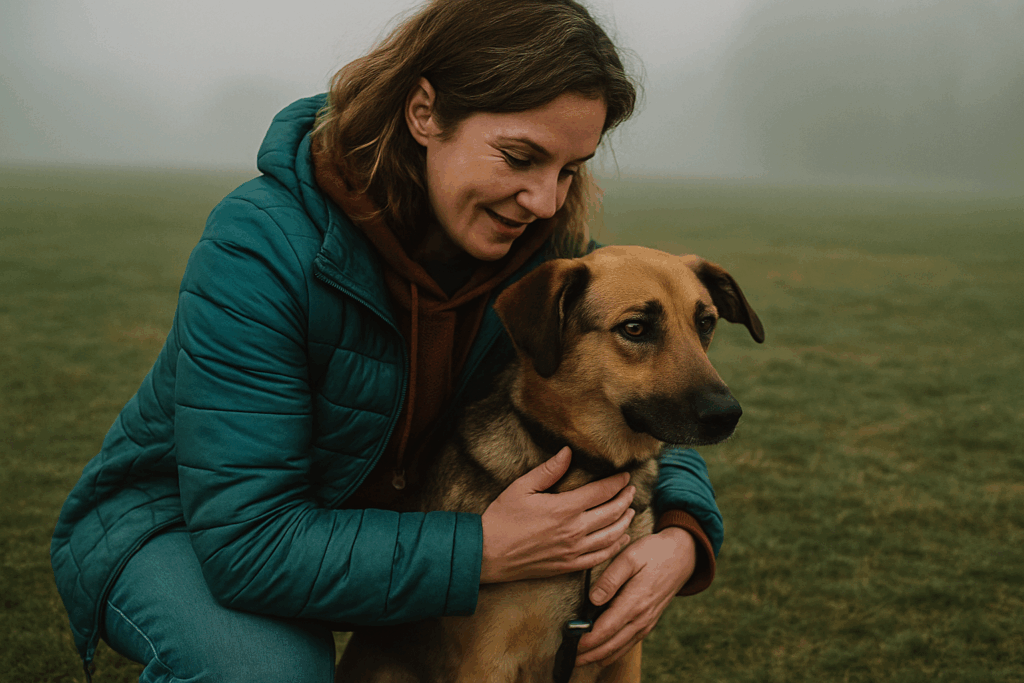
At its core, fostering is simple: you take in an animal temporarily until a more permanent solution adoption comes along. It could be a week. It could be months. Either way, you’re not just giving an animal a roof and a bowl of food; you’re giving them a shot at stability. For pets pulled from traumatic situations, shelters can be overwhelming. A foster home offers something closer to calm space to decompress and be seen.
Shelters rely on foster homes like lungs rely on air. Overcrowding is a constant. Influxes don’t wait for adoptions to catch up. Foster volunteers ease the pressure by opening beds, making room for new intakes, and helping animals transition more smoothly. Without that buffer, the system buckles.
But fostering’s not just logistics it’s emotional heavy lifting. You’ll see improvement, backslides, tiny wins. You’ll deal with crate training, introductions to other pets, maybe even medications or behavior work. And yes, it can hurt to say goodbye. But every effort moves an animal closer to a real home. And your home even for a little while can be exactly what they need to get there.
How Fostering Bridges the Gap
Shelters are full. Sometimes way past full. Fostering eases that pressure instantly each animal moved into a home opens up space for another one who needs help. That one animal? They now get more attention, better chances, and a quieter place to reset. It’s an immediate release valve for overloaded systems.
But there’s more to it than space. Socialization is a game changer. In a home, pets learn how to live around people, kids, other pets. They come out of their shells, drop hyper defensive behaviors, and pick up small things like leash walking or waiting for treats. Those details make them infinitely more adoptable. A well adjusted animal photos better, videos better, and has a higher chance of making a forever match.
Then there’s what fosters learn stuff no shelter staff can clock in a short window. Like, does the dog freak at thunderstorms? Does the cat sneak into cabinets at night? Is the animal great off leash, or does it bolt at the first squirrel? These aren’t database fields; they’re lived experiences. Fosters send that intel back to shelters, shaping honest adoption profiles and avoiding failed placements. In short: fostering gives animals a chance to become seen and understood for real.
The Mutual Impact: You and the Pet

Fostering a pet isn’t just a good deed it changes you. When you open your home to an animal that’s been overlooked, abandoned, or just in limbo, you’re giving them something they can’t get in a cage: a second chance. That look they give you after a week of regular meals, soft blankets, and gentle attention? Feels like winning the lottery but for both of you.
But this isn’t all warm fuzzies. Fostering teaches patience. It stretches your ability to care beyond convenience. You’ll clean up messes, navigate trust issues, and wait out nervous habits. And somehow, in the process, your own edges soften. Compassion isn’t just something you feel it’s something you do repeatedly until it becomes second nature.
It’s also a reality check. Living with a foster pet gives you a preview of the long game: the routines, the adjustments, the quiet joys and occasional chaos that come with sharing your space. It’s not always easy, but it’s honest. That reality helps you figure out if you’re ready to adopt for good. Not in theory, but for real.
Bottom line: fostering makes adoption a choice based on clarity not impulse. And that makes it better for people and pets alike.
Who Can Foster, and How to Start
You don’t need to live on a farm or be home 24/7 to foster a pet. You just need the basics: enough space for the type of animal you’re welcoming, time each day for feeding, walks, or play, and a steady dose of commitment. Perfection isn’t on the checklist reliability is.
The application process varies by shelter, but generally, you’ll need to fill out a form, possibly have a home visit, and go through a chat or interview. Some organizations also offer brief training or orientation sessions. They’re not trying to make it hard they just want to match animals with the right environments.
Once you’re approved, take time to prep your home. Clear a designated space, remove hazards (uncovered wires, choking hazards, access to harmful foods), and consider baby gates or crates if needed. Stock up on the basics: food and water dishes, pet beds, appropriate toys, and cleaning supplies. And maybe have the local vet’s number handy, just in case.
Bottom line: fostering isn’t about being perfect it’s about showing up, being willing, and making space (physical and emotional) for an animal in transition.
Other Ways to Contribute if Fostering Isn’t an Option
Not everyone can foster a pet and that’s okay. There are a dozen ways to pitch in without taking an animal home. Local shelters rely just as much on hands, dollars, and outreach as they do on foster families.
Start with volunteering. Think dog walking, cat socializing, feeding shifts, laundry duty. Most shelters run on thin staff, so consistent, dependable help even just one day a week can make a dent.
Then there’s donations. Money is useful, but so are everyday supplies. Blankets, food, leashes, cleaning products they go fast. Many shelters keep a public wish list online. It’s a low lift way to support from a distance.
And don’t underestimate the value of spreading the word. Share adoptable animals online. Fundraise. Talk to neighbors. Helping doesn’t always mean direct care it can mean plugging into your community and pointing people toward a good cause.
You can find even more ideas in this solid guide: helping local shelters.
Responsible Adoption Starts with Education
Fostering isn’t just an act of kindness it’s a training ground. When you foster, you experience the full scope of what it actually takes to care for a pet: the early mornings, vet visits, behavioral quirks, and unexpected moments of chaos and connection. It’s raw and real, and it teaches you more than any adoption guidebook ever could.
This firsthand exposure builds a stronger adopter mindset. You’re not going in blind. You learn how to communicate with the animal, read its signals, adjust your lifestyle, and anticipate needs all before making a commitment. And that’s the point: informed decisions mean fewer heartbreaking returns and more lasting, stable homes.
Return rates drop when people know what they’re signing up for. Fostering gives you and the animal time to figure out if the fit is right without the pressure of permanence. And if it turns into a forever home? Great. If not, the pet leaves better prepared for the next home.
Final takeaway: foster first, decide second. Pets aren’t products to test drive. They’re lives to care for deeply, and for good.
 There is a specific skill involved in explaining something clearly — one that is completely separate from actually knowing the subject. Normando Pendergrassion has both. They has spent years working with more in a hands-on capacity, and an equal amount of time figuring out how to translate that experience into writing that people with different backgrounds can actually absorb and use.
Normando tends to approach complex subjects — More, Culinary Exploration and Recipes, Regional Culinary Traditions being good examples — by starting with what the reader already knows, then building outward from there rather than dropping them in the deep end. It sounds like a small thing. In practice it makes a significant difference in whether someone finishes the article or abandons it halfway through. They is also good at knowing when to stop — a surprisingly underrated skill. Some writers bury useful information under so many caveats and qualifications that the point disappears. Normando knows where the point is and gets there without too many detours.
The practical effect of all this is that people who read Normando's work tend to come away actually capable of doing something with it. Not just vaguely informed — actually capable. For a writer working in more, that is probably the best possible outcome, and it's the standard Normando holds they's own work to.
There is a specific skill involved in explaining something clearly — one that is completely separate from actually knowing the subject. Normando Pendergrassion has both. They has spent years working with more in a hands-on capacity, and an equal amount of time figuring out how to translate that experience into writing that people with different backgrounds can actually absorb and use.
Normando tends to approach complex subjects — More, Culinary Exploration and Recipes, Regional Culinary Traditions being good examples — by starting with what the reader already knows, then building outward from there rather than dropping them in the deep end. It sounds like a small thing. In practice it makes a significant difference in whether someone finishes the article or abandons it halfway through. They is also good at knowing when to stop — a surprisingly underrated skill. Some writers bury useful information under so many caveats and qualifications that the point disappears. Normando knows where the point is and gets there without too many detours.
The practical effect of all this is that people who read Normando's work tend to come away actually capable of doing something with it. Not just vaguely informed — actually capable. For a writer working in more, that is probably the best possible outcome, and it's the standard Normando holds they's own work to.