The Role of Water in Pet Health
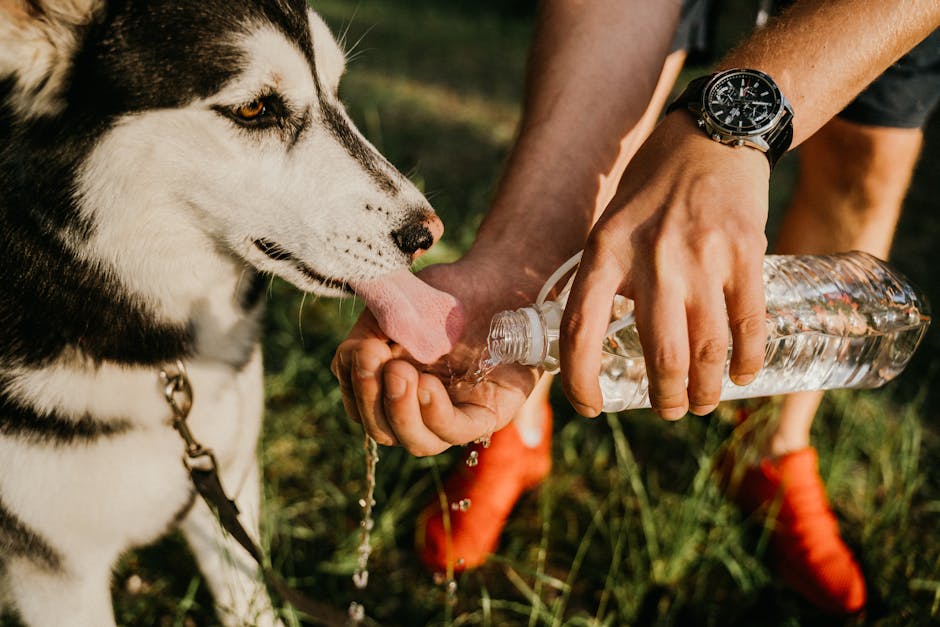
Water isn’t optional it runs the show. For pets, proper hydration fuels digestion by helping break down food and move nutrients where they’re needed. It keeps joints lubricated and bodies cool, especially when temperatures rise. Whether it’s a dog chasing a ball under a summer sun or a cat snoozing in a heated apartment, their bodies depend on water to regulate heat and keep everything in working order.
In short bouts of survival, water matters more than food. A pet can go days without eating and bounce back, but lack of water quickly leads to system failure: thickened blood, sluggish organs, and collapsing energy levels.
Now layer on the changing climate. With 2026 shaping up to be hotter and more extreme, dehydration risks are climbing faster than many pet owners think. Heatwaves strain a pet’s cooling system. Add dry indoor air or poor airflow, and their water demand quietly spikes. It’s not just about more access to water, but smarter, consistent hydration habits. In the new normal, staying hydrated isn’t a nice to have it’s non negotiable.
Signs Your Pet May Be Dehydrated
Dehydration in pets isn’t always loud or obvious. It slips in quietly and shows up in the margins of their behavior and appearance. The first signs are usually behavioral: your pet may seem more tired than usual, panting when it’s not particularly hot, or have a nose that’s dry and warm instead of cool and moist. These are small flags, but they matter.
Then there are the physical indicators. A pet with sunken eyes or who has lost that bounce back elasticity in their skin is likely overdue for a water check. A simple test? Gently lift the skin between their shoulder blades. If it doesn’t snap back quickly, hydration is low.
Breed matters too. Brachycephalic dogs like bulldogs and pugs are more prone to heat related dehydration. Persian cats and long haired breeds may also struggle more in warmer weather. Older pets or those with medical conditions may show subtler signs, making vigilance even more important.
The bottom line: know your pet’s normal. When something’s off, don’t brush it aside. Early signs are easy to miss until they’re not.
How Much Water Does Your Pet Really Need?
There’s no one size fits all number when it comes to pet hydration. Daily consumption hinges on species, breed, weight, and how active your pet is. As a general rule, dogs should drink around one ounce of water per pound of body weight each day. A 50 pound dog? Aim for about 50 ounces. For cats, it’s a bit less due to their more water efficient physiology roughly 3.5 to 4.5 ounces per five pounds of body weight.
Of course, activity level throws a wrench in that math. Pets that are regularly exercised, go outside often, or have high energy temperaments may need more than the baseline. Same goes for working dogs, especially those in warmer climates.
Speaking of temperature seasonal changes can quietly mess with hydration. In summer, heatwaves increase water loss through panting and drooling. Winter’s not easier; heated indoor air can dry pets out faster than you’d think. Keep an eye out when the humidity drops.
Puppies and kittens have a less efficient water balance system and burn through hydration faster with play and growth. They need access to clean water almost constantly. Older pets are the opposite problem: they often don’t drink enough, either due to mobility, forgetfulness, or underlying health issues. For them, it’s less about reminding them to drink and more about making it easy multiple low lip bowls, placement in comfy areas, and wet food integration can help.
Bottom line: hydration needs shift. Watch behavior, know the baselines, and adapt for age and environment instead of trusting a static chart.
Water and Diet: The Connection You Shouldn’t Ignore
Keeping your pet hydrated doesn’t stop at the water bowl. What and how they eat plays a significant role in maintaining healthy hydration levels.
Wet Food vs. Dry Food: What’s the Difference?
The moisture content in your pet’s food directly influences their daily water intake, often more than pet owners realize.
Wet food typically contains 70 85% water, contributing significantly to overall hydration. It’s an especially helpful option for pets who don’t drink much water on their own.
Dry food (kibble) contains only about 10 12% water, requiring your pet to compensate by drinking more water throughout the day.
Key Tip: Pets on dry food diets should always have fresh water nearby, and their intake should be monitored closely.
Diets That Support Hydration
Offering your pet a fresh, balanced diet can do more than boost their nutrition it can also aid hydration by including water rich ingredients such as:
Cooked or raw vegetables (pet safe varieties like carrots or cucumbers)
Fresh meats with natural moisture
Bone broths or low sodium stock as a hydration enhancer
Fresh diets are particularly valuable during hotter months or when your pet is more active than usual. They help regulate body temperature and ease digestion, reducing the risk of dehydration.
Learn More: A Guide to Pet Nutrition
For a more in depth look at how balanced diets vary through different life stages, check out this helpful resource: A Guide to Balanced Diets for Dogs of All Ages
This guide covers nutritional needs from puppyhood to the senior years and explains how hydration ties into overall dietary health.
Practical Tips for Keeping Pets Hydrated
Hydration starts with accessibility. A clean bowl placed in a low traffic, familiar space can make a surprising difference in how often a pet drinks. If your dog or cat keeps walking past the bowl, consider moving it. Avoid corners where water might get stale or dusty especially near food or litter boxes. Multiple bowls in different rooms aren’t overkill they’re smart.
Some pets are motion driven drinkers. That’s where fountains come in. The moving water mimics a stream, often triggering a natural instinct to drink. Cats and picky dogs tend to respond better to motion than still water. The sound can also serve as an audible reminder like a hydration hint built into their environment.
For pets that need encouragement or have specific health needs, infused waters might help. Think safe herbs like mint or a drop of low sodium bone broth added to the bowl. It’s not about flavor it’s about appeal. Just be mindful: not everything you like is pet safe, so double check before experimenting.
By 2026, smart bowls and behavior apps are taking the guesswork out. These tools track how often and how much your pet drinks, sending alerts when patterns change. If your pup’s intake drops off suddenly, you’ll know before it becomes a vet emergency. For busy owners or multi pet homes, that kind of data is a game changer.
Hydration Challenges in Multi Pet Homes
Water isn’t usually something you’d think of as a flashpoint but in multi pet homes, it absolutely can be. Territorial behavior around water bowls is a subtle but common issue. Dominant pets might guard the bowl or subtly block access, especially in tight spaces or when hydration stations are too few and far between. You might not notice it right away, but take a closer look some pets drink less not because they aren’t thirsty, but because they’re getting edged out.
This becomes a bigger problem for senior pets and naturally shy animals. Older pets may move slower or avoid confrontation altogether, leading them to skip drinks. And the more passive pets? They often wait until nobody’s around, if they drink at all.
To level the playing field, scatter multiple bowls throughout your space. Separate rooms, quiet corners, elevated stands spread them around and watch how behavior shifts. Pet fountains can help too, especially in drawing hesitant drinkers.
Watch for signs of imbalance: one pet always at the bowl, another rarely seen hydrating, empty bowls in communal spaces but full ones elsewhere. Monitor intake and, if needed, observe behavior with a pet cam. Small dynamics lead to serious hydration gaps.
In the end, ensuring every pet has free, fear free access to water is nonnegotiable. In homes with two or ten animals, it’s not just about availability it’s about accessibility.
When to Call a Vet
Even with your best efforts, there are times when dehydration crosses into dangerous territory. Recognizing when your pet’s hydration needs professional attention can save their life.
When Mild Dehydration Becomes an Emergency
Chronic mild dehydration often develops slowly, making it harder to detect until more serious symptoms appear. If left unaddressed, it can quickly escalate into a medical emergency.
Warning signs to watch for include:
Lethargy that doesn’t improve with rest
Refusal to eat or drink
Vomiting or diarrhea lasting more than 24 hours
Dry gums, excessive drooling, or sticky saliva
Dark yellow or infrequent urination
If these signs are present, it’s time to call your vet right away.
Hydration and Chronic Conditions
Dehydration isn’t always a standalone issue it can be a symptom or aggravator of chronic illnesses like kidney disease, diabetes, or gastrointestinal problems. Maintaining consistent hydration is one of the simplest, most effective ways to reduce complications tied to these conditions.
Key hydration related risks include:
Worsening kidney function in pets with renal disease
Increased blood sugar fluctuations in diabetic pets
Poor recovery from illness or surgery due to low hydration
What to Expect at the Vet
When you seek veterinary help for a dehydrated pet, several diagnostic steps may follow to determine the root cause and level of concern.
Vets often perform:
Bloodwork to identify electrolyte imbalances or organ stress
Hydration status tests such as skin turgor and capillary refill time
Urinalysis to assess kidney function and hydration concentration
Once a diagnosis is made, your vet may recommend:
Subcutaneous or IV fluids for immediate hydration
Adjustments to diet to promote moisture intake
A home hydration plan using flavored liquids or specific feeding strategies
Knowing when to get help is just as important as providing daily water. Paying close attention today can prevent an emergency tomorrow.