Rushing the Process
Leash training isn’t something you knock out in a weekend. Puppies need time to adjust to both the gear and the rules that come with it. Slow and steady wins here not because it sounds nice, but because it works. When you go too fast, you risk stacking confusion on top of fear. What starts as excitement can spiral into anxiety.
Overexposing your puppy taking them to busy parks too soon, forcing long walks, or throwing them into crowded streets doesn’t build tolerance. It builds stress. You might see them freeze up, pull wildly, or try to run from everything that moves. That’s not progress. That’s overwhelm.
Know the signs your puppy is maxed out. Heavy panting when it’s not hot. Tail tucked. Refusing treats they’d normally love. Whining, shaking, or constantly trying to escape the leash. These point to one thing: you’ve skipped ahead.
The better way? Keep sessions short. Choose quiet environments. Treat the leash like a learning tool, not a test. Let your puppy build confidence, not just compliance.
Skipping the Basics
Before you head outside with a leash in hand and big expectations, slow down. A puppy that hasn’t mastered the basics indoors isn’t ready to take on cars, squirrels, and surprise skateboards. Indoor leash practice is controlled, quiet, and crucial. Start by simply having your pup wear the leash around the house to get used to the feel. Then, introduce short walks from room to room, encouraging a calm, consistent pace.
Alongside leash practice, work on a handful of commands that give you control without shouting or yanking. “Sit,” “stay,” “come,” and “leave it” are your essentials. These aren’t just obedience tricks they’re building blocks for safety once distractions hit.
And don’t underestimate crate time. A puppy that learns how to relax in a crate is already on their way to staying calm in new environments even on a leash. Crate training isn’t punishment; it’s routine, predictability, and a break from overstimulation. You’ll find more on that here: Crate training guide.
Get these basics down before stepping outside. It’ll save you time, headaches, and possibly a thrown out shoulder.
Using the Wrong Equipment
Choosing between a harness and a collar isn’t just about what looks cute it’s about control, safety, and communication. For most beginners, a well fitted harness is the smarter choice. It distributes pressure across the chest and shoulders rather than the neck, which is ideal for puppies still learning not to pull. Front clip harnesses give you more steering power without causing distress, making the walk more manageable for both of you.
Collars still have a role just not as the main training tool. A flat collar is fine for holding ID tags or for older dogs with solid leash manners. But with a puppy? One hard pull and you risk injury or a cough inducing tug of war.
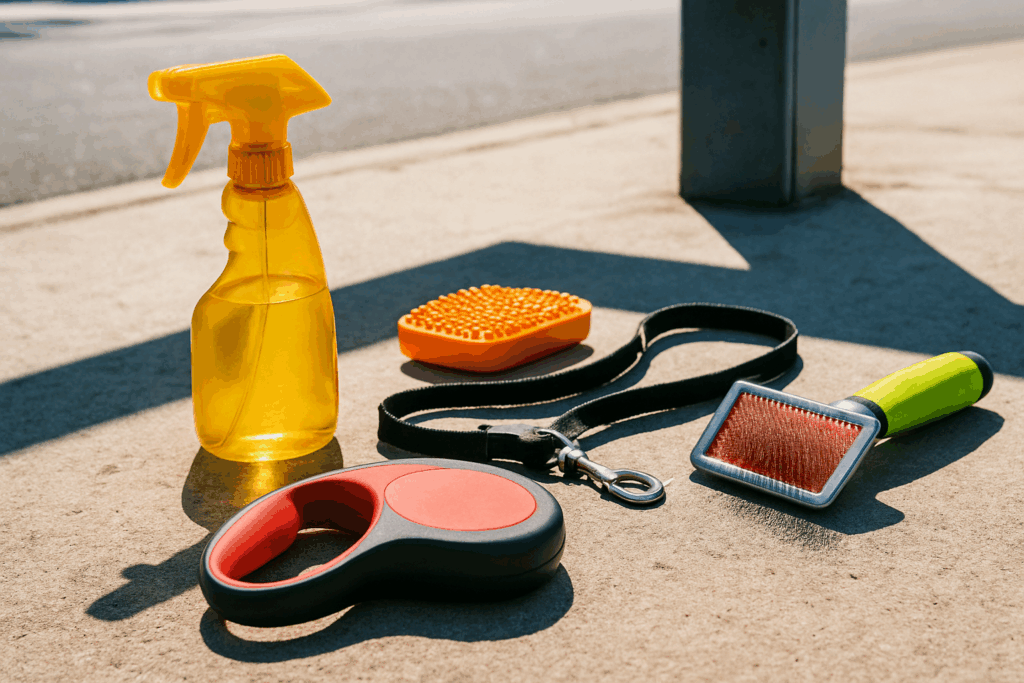
As for retractable leashes leave them on the shelf. They teach exactly the opposite of what you want long term: no boundaries, no heel, no consistency. These leashes give a pup too much room and not enough structure, making it harder to build good leash habits.
Fit matters, too. An ideal harness allows two fingers between the strap and your puppy’s body. Too loose, and they’ll escape. Too tight, and you risk chafing or limiting movement. Try it indoors first. Watch how your pup moves in it. If the steering feels easy and they stay responsive, you’re on the right track.
Reinforcing Bad Behavior
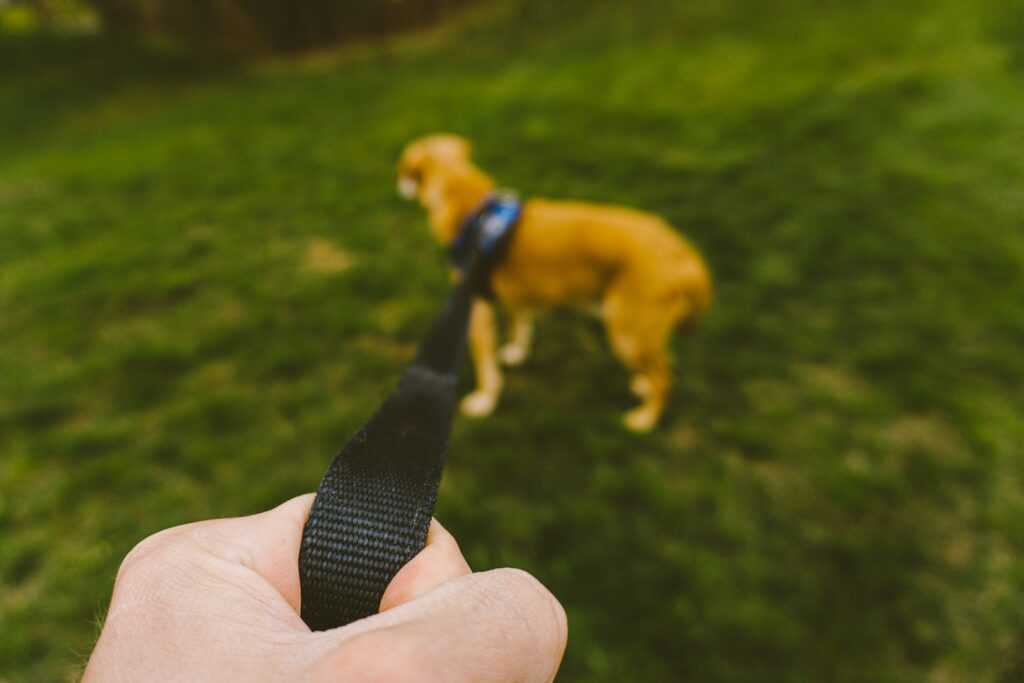
Here’s the thing about puppies: they’re always learning, whether you mean to teach them or not. One of the most common leash training mistakes is unknowingly rewarding pulling or lunging. If your pup pulls and you keep walking or worse, speed up you’ve just confirmed that pulling works. Next time, they’ll tug harder.
Tension filled walks are another mess. A tight leash equals a tense dog. It ramps up reactivity and builds frustration. You’re not leading; you’re just being dragged along for the ride. Puppies need slack in the leash to feel relaxed and focused. Otherwise, every walk turns into a standoff.
Timing matters here. Praise and treats should follow calm, loose leash behavior not just any random moment. Mark the good stuff right when it happens. If your pup checks in with you or walks without tension, that’s your window. Delay the reward, and they won’t connect it to their behavior.
It’s not about being perfect. It’s about being aware. Small moments create lasting habits.
Being Inconsistent
Dogs don’t do well with guesswork. If you’re working on leash training but different people in your household are handling walks differently some reward pulling, others yank the leash it sends mixed signals your puppy can’t decode. Everyone who walks the dog needs to be on the same page: same commands, same expectations, same boundaries.
Routine matters just as much. Puppies thrive on structure, so walking them at consistent times each day helps set expectations and reduce behavioral issues. Pick a schedule and stick to it. Even more importantly, keep walk routines predictable: same environment, same pace, same cues.
Crate training is another tool that supports consistency. Done right, it builds calm, structured periods into your puppy’s day. When a crate is part of a steady routine, it reinforces boundaries and helps transition from rest to leash time without chaos.
For tips on introducing the crate the right way, check the full Crate training guide.
Skipping Socialization
Letting your puppy meet every dog or person during a walk might feel like the right thing it’s not. Random, untrained interactions can wreck your progress fast. One bad experience can create lasting fear, anxiety, or even aggression. When socialization isn’t planned or supervised, you’re risking more than you realize.
Leash reactivity is a common fallout. It’s when your dog barks, lunges, or pulls at the sight of other dogs or people, often from frustration or fear. It doesn’t just go away as your pup grows up. If ignored, it can become your dog’s default behavior, especially when they feel trapped by the leash and unsure about what’s happening.
To avoid it, start with distance. Let your puppy observe others calmly from afar. If they stay relaxed, reward them. Over time, shorten the distance but only if your pup’s body language stays loose and curious. Introductions should be short, structured, and ideally with vetted dogs or calm people. No pulling your pup into a sniff fest with a stranger’s dog. Let trust and confidence build gradually.
The goal isn’t for your dog to greet everyone. It’s to be neutral, calm, and focused on you no matter what’s around.
Not Adapting to Your Puppy
No two dogs are wired the same. Some pups charge ahead like they’ve been walking leashed since birth. Others freeze at the sight of a sidewalk. That’s why the blanket one size fits all leash training advice doesn’t cut it. You’ve got to pay attention to your specific dog what makes them curious, what spooks them, how quickly they burn out.
Start by reading body language. Ears back? Tail tucked? Lip licking or yawning when there’s no reason to be tired? These are signals your pup is uncomfortable or stressed. Zoomies after walking a few feet? That could be play energy or overstimulation. Observation is half the job.
Adjust based on what you see. A nervous dog might need shorter walks with plenty of breaks and calm praise. High energy pups may need a pace bump or a more structured routine that tires them out without letting them pull. Harnesses, collars, and leash length all matter too test and tweak until the setup feels natural for your dog, not just convenient for you.
Bottom line: Lead the walk, but listen to your dog. Adapt until you speak the same (leash) language.
Final Thought
Leash training doesn’t need to be complicated, but it does demand consistency and awareness. Small mistakes early on can become big issues later pulling, leash reactivity, or fear based behaviors that are hard to unlearn. Avoid rushing, use the right tools, and tune in to your pup’s signals. Most of all, be patient. Building trust through calm, repeatable routines will carry further than any shortcut. It’s not about having the perfect walk on day one; it’s about building the habits that make every walk better than the last.
 There is a specific skill involved in explaining something clearly — one that is completely separate from actually knowing the subject. Tavien Rothwynd has both. They has spent years working with culinary exploration and recipes in a hands-on capacity, and an equal amount of time figuring out how to translate that experience into writing that people with different backgrounds can actually absorb and use.
Tavien tends to approach complex subjects — Culinary Exploration and Recipes, More, Food Insights being good examples — by starting with what the reader already knows, then building outward from there rather than dropping them in the deep end. It sounds like a small thing. In practice it makes a significant difference in whether someone finishes the article or abandons it halfway through. They is also good at knowing when to stop — a surprisingly underrated skill. Some writers bury useful information under so many caveats and qualifications that the point disappears. Tavien knows where the point is and gets there without too many detours.
The practical effect of all this is that people who read Tavien's work tend to come away actually capable of doing something with it. Not just vaguely informed — actually capable. For a writer working in culinary exploration and recipes, that is probably the best possible outcome, and it's the standard Tavien holds they's own work to.
There is a specific skill involved in explaining something clearly — one that is completely separate from actually knowing the subject. Tavien Rothwynd has both. They has spent years working with culinary exploration and recipes in a hands-on capacity, and an equal amount of time figuring out how to translate that experience into writing that people with different backgrounds can actually absorb and use.
Tavien tends to approach complex subjects — Culinary Exploration and Recipes, More, Food Insights being good examples — by starting with what the reader already knows, then building outward from there rather than dropping them in the deep end. It sounds like a small thing. In practice it makes a significant difference in whether someone finishes the article or abandons it halfway through. They is also good at knowing when to stop — a surprisingly underrated skill. Some writers bury useful information under so many caveats and qualifications that the point disappears. Tavien knows where the point is and gets there without too many detours.
The practical effect of all this is that people who read Tavien's work tend to come away actually capable of doing something with it. Not just vaguely informed — actually capable. For a writer working in culinary exploration and recipes, that is probably the best possible outcome, and it's the standard Tavien holds they's own work to.