What Pet Owners Need to Know in 2026
The way people feed their pets today looks very different from a decade ago. Shelves packed with generic kibble still exist, but now they sit alongside boutique raw blends, frozen meals, and home cooked subscription plans. Feeding a dog or cat used to mean grabbing a bag or a can from the supermarket. Today, it’s a conscious decision sometimes even an identity marker.
At the heart of the divide: pet owners who swear by raw diets for being closer to nature, and others who trust commercial foods as complete and safe. There’s no universal winner here. Raw feeders argue their pets thrive on unprocessed ingredients, while skeptics point to contamination risks and nutritional gaps. Meanwhile, commercial brands have scaled up science backed formulas but also face criticism over fillers and overly processed ingredients.
In the middle of it all, the DIY crowd is gaining traction. Holistic, data driven approaches like cooking at home with vet approved recipes or tailoring meals via pet DNA kits are booming. People want to know where the food comes from and what it does. It’s no longer just about full bowls; it’s about tuned in, intentional feeding. And in 2026, that trend shows no sign of slowing down.
Raw Pet Food: The Pros
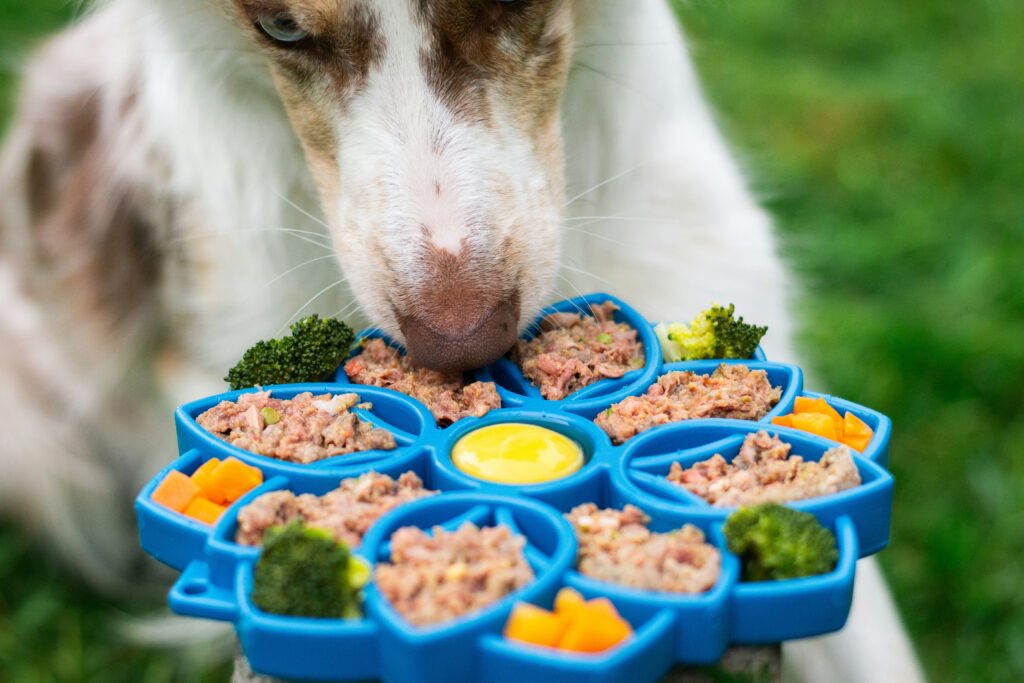
Raw feeding appeals to many pet owners because it feels instinctive closer to what dogs and cats might eat in the wild. Think real cuts of meat, bones, organ tissue. No processing, no synthetic colors, no mystery fillers. Just food that looks and smells like, well, food.
One major advantage is moisture. Raw food typically contains a lot more water than dry kibble, which naturally supports hydration. For cats who generally don’t drink enough on their own that’s a valuable bonus.
Another win: fewer additives and preservatives. Because most raw meals are prepared fresh or frozen, they skip out on the shelf stable chemicals found in many commercial options. It’s a cleaner eating profile.
Anecdotally, some pet owners swear their animals thrive on it glossy coats, better digestion, higher energy. While not every pet experiences these changes, enough do that it’s earned attention.
That said, raw isn’t magic. But it does offer a diet that strips things back to basics and sometimes, that’s just what a pet’s system needs.
Raw Pet Food: The Cons
Raw diets aren’t a one size fits all solution. Without expert input, they can quickly become unbalanced missing key nutrients that pets need to stay healthy. DIY doesn’t always mean better. Feeding just chicken and vegetables won’t cover all bases, and mistakes here can lead to serious health issues over time.
Then there’s the bacteria. Raw meat isn’t risk free. Contaminants like salmonella and listeria can pose threats not just to pets, but to the people handling the food especially kids, seniors, or anyone with a weakened immune system living in the household. Safe handling and storage become a daily chore, not just a detail.
Cost and prep time add up fast. Sourcing high quality, fresh ingredients isn’t cheap, and balancing meals correctly each day often takes more research than most owners bargain for. What looks like a wholesome, instinct driven choice on the surface can become a logistical and financial stressor in practice.
For healthy young pets in stable homes, a raw diet might work fine but for others, especially vulnerable animals or families with special health considerations, the risks deserve serious weight.
Commercial Pet Food: The Pros
For most pet owners, commercial pet food is the go to for a reason. It’s convenient no debate there. You can find it in every grocery store, online shop, and vet office, with options ranging from budget friendly picks to premium nutrition lines. It’s regulated, too. Most vet approved brands follow rigorous guidelines to ensure each formula meets the nutritional needs of your pet, whether they’re a growing kitten or a senior dog with joint issues.
The shelf life is another big win. Unlike raw diets that often demand freezer space and careful storage, kibble and canned food are easy. They’re stable, portable, and less fuss to handle even in larger quantities. If you’re managing a busy schedule or multiple pets, that matters.
Finally, there’s variety. Pets with allergies or medical concerns aren’t left out. From grain free formulas to food designed for kidney support or sensitive stomachs, the best commercial brands now offer solutions tailored to nearly every condition or preference. In short, there’s no shortage of options that check the boxes for safety, balance, and practicality.
Commercial Pet Food: The Cons
Not all kibble is created equal. Some commercial pet foods are packed with fillers like corn, wheat, or soy, used more for cutting costs than nourishing your pet. Add preservatives and artificial flavors to the mix, and it’s no surprise that skeptical owners are checking ingredient lists twice.
Heavily processed during manufacturing, this type of food can lose valuable nutrients along the way. While many brands supplement with synthetic vitamins to compensate, it’s not quite the same as whole, bioavailable nutrition from raw or lightly cooked ingredients.
For pets with sensitive stomachs, intolerances, or known gut issues, these formulas can cause problems. It’s not uncommon to see digestive trouble, skin flare ups, or chronic itching linked to certain commercial diets. Not every pet reacts poorly but if yours does, a more transparent or customized option might be worth exploring.
Blending Both Worlds
More pet owners are finding that the best diet isn’t all raw or all commercial it’s a smart mix of both. Hybrid feeding offers the structure of commercial food with the nutritional value and freshness of raw, giving flexibility without sacrificing safety or balance. For busy people who still want to level up their pet’s diet, this approach hits a practical middle ground.
Vet formulated raw options are also making things easier. Instead of DIY mixing that risks nutritional gaps, pet stores and online retailers now stock balanced, pre portioned raw meals, many developed with veterinary oversight. Convenience is catching up to intention.
Another fast growing category: lightly cooked frozen meals. These sit somewhere between raw and kibble minimally processed, gently cooked, and frozen to preserve nutrients. For owners who hesitate to feed raw due to safety or prep concerns, these meals offer a realistic alternative.
Overall, blending feeding styles lets owners tailor a diet that fits life today without going to extremes.
Smarter Feeding in 2026
Pet owners are getting smarter, and so are their expectations. Gone are the days of grabbing the cheapest kibble off the shelf. Now, many are diving into DNA based nutrition plans, sourcing food with full supply chain transparency, and relying heavily on science backed data. Algorithms aren’t just shaping our social feeds they’re informing how people feed their pets.
This shift also brings supplements into sharper focus. But more isn’t always better. Not every powdered mix or chewable treat belongs in your dog or cat’s bowl. The key is species appropriate supplementation nothing cooked up in a wellness trend lab but genuinely useful, vet approved additions that support a balanced diet. Think joint health, digestive enzymes, or targeted vitamins but only when needed.
Navigating what’s safe (and what’s marketing fluff) takes a bit of homework. If you’re unsure where to start, check out this rundown: Understanding Pet Supplements: What’s Safe and What’s Not.
The Bottom Line
There’s no universal meal plan when it comes to pets. What works for your neighbor’s retriever might not fly for your tabby or your budget. Dogs and cats have different biological needs, but even within those species, age, activity level, medical conditions, and lifestyle all factor into feeding choices.
Some pets thrive on commercial kibble. Others do better with raw, cooked, or blended diets. The key is choosing something that’s biologically appropriate, nutritionally complete, and, ideally, reviewed by a veterinary nutritionist. Whether you’re feeding shelf stable meals or hand prepping raw cuts, it’s not just about preference it’s about balance and safety.
The goal isn’t perfection. The goal is a consistent, informed routine that keeps your pet healthy long term. That means understanding what you’re feeding, why you’re feeding it, and when it might be time to adjust.