Why Supplements Are on the Rise in 2026
Over the past few years, pet owners have shifted hard toward natural health remedies. They’re treating their pets like family which means cleaner food, less medication, and more interest in natural supplements. A growing number of people are turning to pills, powders, and chews to manage joint pain, reduce anxiety, and bolster immune function in their cats and dogs. Joint health gets the most attention, especially for older dogs. Anxiety solutions are a close second, often aimed at thunder phobic pups or clingy companions. Immunity support is the new frontier, with mushroom blends and herbal boosters flooding the market.
But here’s where it gets messy. The demand boom has opened the door to slick marketing and vague claims. Bottles with flashy labels tout ‘vitality’ and ‘gut support,’ but good luck figuring out what’s actually inside them or if the dosage matters. For pet parents trying to keep things safe and simple, the supplement aisle has become a minefield. Buzzwords sell, even when the science is thin. That’s why it’s more important than ever to separate real benefit from well branded fluff.
Ingredients That Actually Work
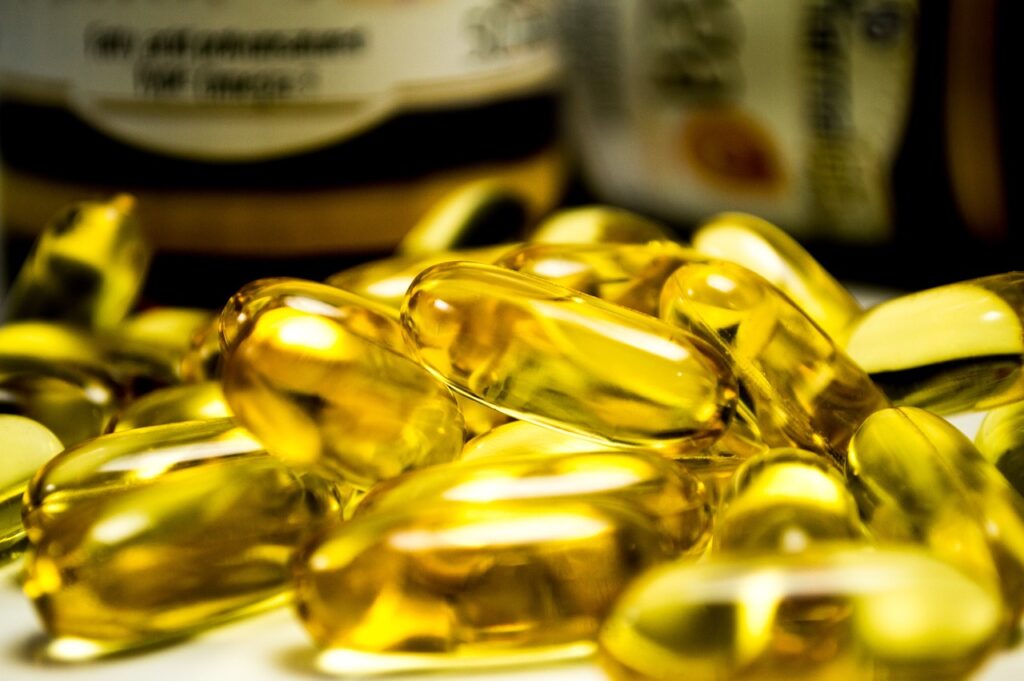
Pet supplement aisles are crowded, but only a few ingredients have real science behind them. Glucosamine is a staple for joint support especially in older dogs helping reduce stiffness and improve mobility. Omega 3 fatty acids, from fish oil or krill, are not just buzzwords; they’ve been shown to support heart health, reduce inflammation, and improve coat quality. Probiotics? Solid pick for gut health, particularly after antibiotics or during stressful changes.
But labels can be misleading. If your supplement lists something flashy like “with glucosamine” but doesn’t disclose the actual milligrams per serving, that’s a red flag. Therapeutic dosages matter. You want to see actual numbers, ideally ones that line up with veterinary guidelines or referenced studies not vague claims and marketing fluff.
That’s where your veterinarian comes in. Before adding anything to your pet’s routine, loop them in. Vets can help you interpret dosing based on weight, breed, and any existing medications your pet’s already on. They also know which brands are consistent and third party tested, which cuts through a lot of guesswork.
Supplements aren’t harmless sprinkles. The right ones, at the right dose, can help. The wrong ones? Waste of money at best, outright harmful at worst.
Risky Additives and Red Flags
Just because it’s labeled as a supplement doesn’t mean it’s safe for your pet. Many products on the shelves today include fillers, artificial flavorings, and preservatives that do more harm than good. Look out for vague ingredients like “meat by products,” “artificial bacon flavor,” and chemical preservatives like BHA, BHT, and ethoxyquin. These additives can trigger allergies, digestive issues, or worse especially in cats and smaller dogs.
If your pet takes medications or has a pre existing condition, be extra cautious. Some common supplements like St. John’s Wort, ginseng, or even certain omega blends can mess with prescription drugs, throwing off blood pressure, liver function, or hormone levels. Always check with a vet before tossing a new supplement into the mix.
Watch your pet. Side effects from overdose or intolerance show up fast in animals. Vomiting, diarrhea, restlessness, appetite loss, or sudden behavior changes? Those aren’t just off days they’re red flags. In worst case scenarios, supplements built for good health can spiral into toxicity, especially with fat soluble vitamins (like A or D) or minerals like iron.
Bottom line: reading labels and asking questions can go a long way. What you leave out of your pet’s bowl matters just as much as what you put in.
The “Natural” Trap

Just because a supplement says “natural” doesn’t mean it’s safe or effective. Companies know the word sells, so they slap it on labels without having to back it up with science. In the pet supplement world, “natural” can mean almost anything: dried herbs, mystery extracts, even substances that haven’t been tested on animals at all.
Regulations haven’t caught up. Unlike human supplements, pet products fall into regulatory gray zones, often skipping the kind of rigorous testing you’d expect. The FDA doesn’t proactively vet these before they hit the shelves. That leaves room for sketchy ingredients, inaccurate dosage claims, or worse contaminants.
Here’s how to cut through the fog: look for supplements with third party testing and quality seals, such as NASC (National Animal Supplement Council) certification. These verify purity and proper labeling. Transparent brands will list active ingredients with actual amounts, not vague promises. If you can’t find that info or it looks overly gimmicky, skip it.
Bottom line: natural isn’t a free pass. Do your homework before giving your pet anything new.
Supporting Health the Right Way
Supplements aren’t the foundation they’re the second layer. If your pet’s eating junk, skipping exercise, or hasn’t seen a vet in a year, no supplement will fix that. Start with simple, consistent care: a balanced diet that fits their species and age, regular movement to keep joints and hearts in shape, and routine vet check ins to stay ahead of issues.
Then there’s hydration. Easy to overlook, but low water intake can quietly sabotage everything including how well supplements work. Water keeps digestion moving, supports kidney function, and helps the body absorb nutrients. Dehydration throws a wrench into all of it.
Before you reach for pills, powders, or chews, make sure the basics are locked in. A hydrated, well fed, and active pet is far more likely to benefit from any added support you give them.
For more, check out Hydration for Pets: Why Water Intake Is Crucial.
How to Choose Smart
Before you break out the chewables or powder packets, talk to your vet. Ask the basics: Does my pet actually need this supplement? Are there any known interactions with current meds? What’s the right dosage for my dog’s size or my cat’s age? A five minute conversation can save you from a costly guessing game and avoid making things worse.
Once your pet starts the supplement, keep things simple. Watch for shifts in energy, appetite, behavior, or bathroom habits. Take notes. Some pets react right away, others won’t show anything for weeks. If you see vomiting, diarrhea, itching, or signs of discomfort, stop immediately and call your vet. Don’t just power through. “Natural” doesn’t mean harmless.
And if nothing changes after a fair trial period usually 4 to 6 weeks revisit whether it’s worth continuing. Sometimes it’s not about adding more; it’s about trying the right thing, or going back to basics. Smart pet health isn’t about throwing the kitchen sink at a problem. It’s about knowing when to start, when to tweak, and when to stop.
Final Takeaway
Let’s be clear supplements can do a lot, but they’re not miracle cures. They won’t fix poor nutrition, lack of exercise, or chronic stress. If your pet’s basics aren’t covered, no capsule or chew is going to change much. This means high quality food, clean water, regular vet checkups, and plenty of movement should come first. Always.
In 2026, the smartest pet owners know this. They dig into product labels, ask tough questions, and pay attention to how their pets actually respond day by day, not just based on marketing claims. The best advocate for your pet’s health isn’t a bottle it’s you, informed and hands on.