
Everyday Foods That Are Dangerous
Your kitchen may seem harmless, but a handful of pantry staples can be surprisingly toxic to pets. Chocolate tops the list especially dark and baking chocolates with theobromine as the main culprit. Grapes and raisins can cause sudden kidney failure in dogs, even in tiny amounts. Onions, garlic, and other alliums? Bad news for red blood cells. Even sugar free gum or peanut butter sweetened with xylitol can trigger life threatening drops in blood sugar.
Some danger hides in plain sight. A handful of trail mix or a protein bar may seem clean and healthy to you but can pack ingredients like chocolate chips or raisins. Store bought baked goods often sneak in xylitol. And let’s not forget leftovers: greasy meat trimmings, seasoned sides, or casserole scraps might tempt your dog or cat, but they’re rarely pet safe.
Instead of sharing your plate, stock a few pet friendly treats. Carrot sticks, apple slices (no seeds), or unsalted green beans work well for most dogs. For cats, look into freeze dried meat treats or plain cooked chicken. You don’t have to go gourmet just be thoughtful when reaching for that “small reward.”
Better to treat wisely than Google symptoms at 2 a.m.
Cleaning Products That Can Harm
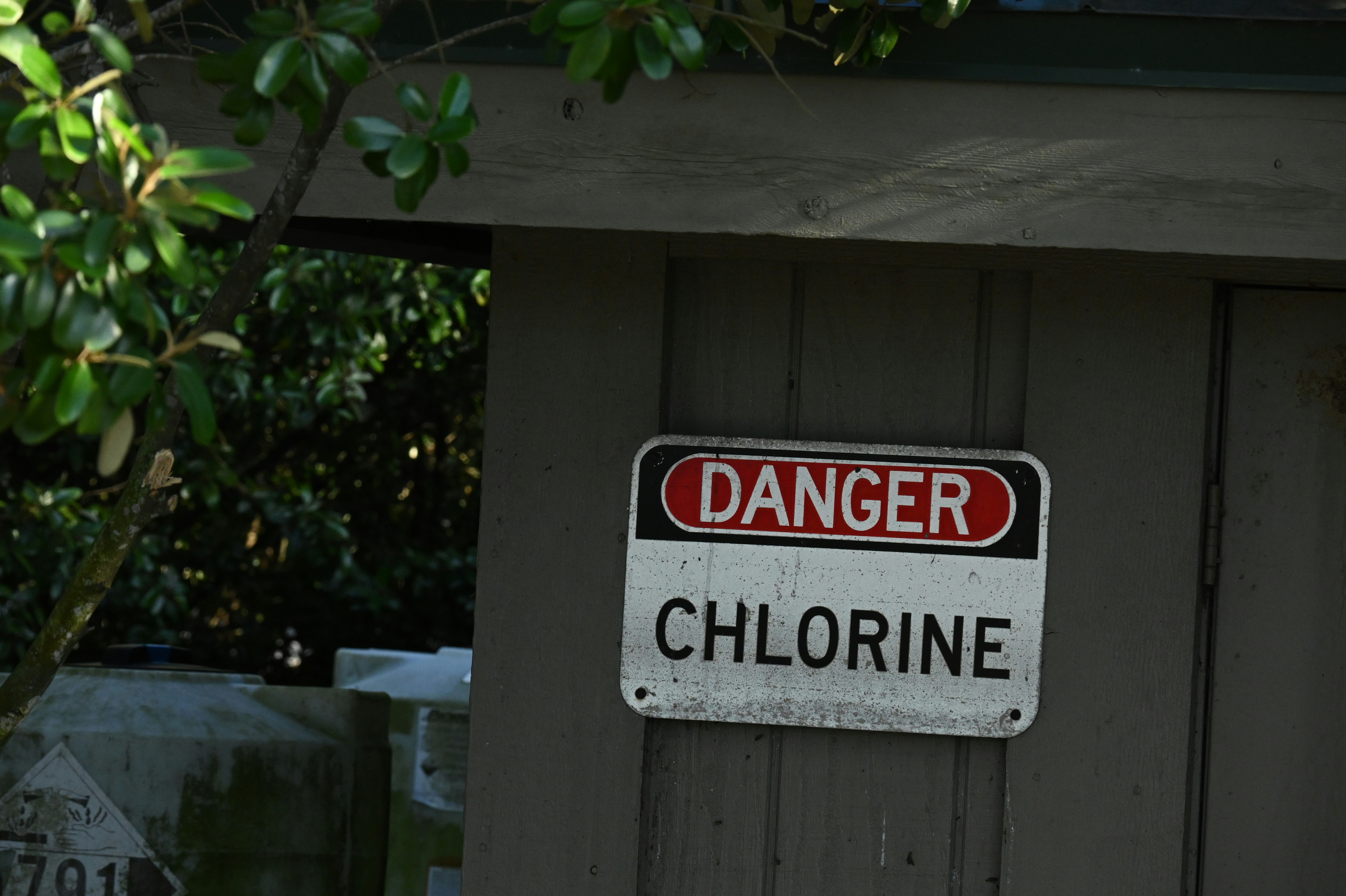
Even the cleanest homes can pose unexpected risks to pets especially when it comes to common cleaning products. Many standard household solutions contain chemicals that can be harmful, or even deadly, to dogs and cats.
Toxic Ingredients to Watch Out For
While cleaning your home is essential, it’s equally important to be aware of which substances can be dangerous to animals. Look out for the following ingredients:
Bleach Found in disinfectants and toilet bowl cleaners; can cause vomiting, burns, and respiratory distress.
Ammonia Common in glass cleaners and floor solutions; exposure may irritate mucous membranes and lungs.
Phenols Found in multi surface cleaners and disinfecting wipes; particularly harmful to cats and can lead to liver damage.
Check product labels carefully, and opt for pet safe alternatives when possible.
Safe Usage and Storage Tips
If you must use conventional cleaners, follow these safety practices to reduce the risk to pets:
Always ventilate the area while cleaning and keep pets in another room.
Rinse surfaces thoroughly after using chemical cleaners.
Store all cleaning products in cabinets or high shelves, well out of reach.
Consider switching to non toxic, pet safe brands that use natural ingredients.
Signs of Chemical Exposure in Pets
Recognizing early symptoms of exposure can make a big difference. Contact your veterinarian immediately if you notice:
Excessive drooling, pawing at the mouth, vomiting
Lethargy, tremors, or uncoordinated movement
Red, swollen, or watery eyes
Seeming disoriented or hiding more than usual
Awareness and prevention go a long way in keeping your pets safe from the invisible dangers lurking in your cleaning routine.
Plants That Aren’t Pet Friendly
Some of the most popular houseplants are silently hostile to your pets. Peace lilies, pothos, philodendron, and snake plants may brighten a room, but they can make cats and dogs seriously ill. Outdoors, azaleas, oleander, sago palm, and even common ivy carry toxins that mess with nervous systems, kidneys, or the gut.
So what makes these leafy neighbors dangerous? Most of them contain compounds like calcium oxalates, cardiac glycosides, or alkaloids natural chemicals that can inflame mouths, upset stomachs, or worse. Sometimes the symptoms look small (a bit of drooling or vomiting), but in bigger doses, they can lead to tremors, heart issues, or liver failure. And pets are curious. They chew on things. That’s the problem.
The good news: you can still build a green, eye pleasing space without the risk. Go for non toxic options like spider plants, prayer plants, areca palms, or bamboo. Herbs like basil, thyme, and rosemary also do double duty safe for pets and useful in your kitchen.
Bottom line: if it’s in reaching (or climbing) range of your pet, make sure it’s harmless. Pretty shouldn’t come at the cost of safety.
Small Objects & Choking Risks
Pets explore the world mouth first, which means everyday objects become unexpected hazards. Socks, hair ties, rubber bands, earbuds, and kids’ toys might seem harmless until a trip to the vet proves otherwise. These items are small enough to be swallowed and tough enough to block airways or tangle up in the digestive system.
Then come the seasonal hazards. Around the holidays, the list of threats multiplies: string from roast beef twine, tinsel, gift ribbons, Christmas light cords, or dangling ornaments that look like shiny chew toys. What adds sparkle to your home can land your pet in emergency care.
The fix? Start with a sweep of the floor at the end of each day. Keep countertops and low shelves clear of clutter. Cords can be bundled and tucked behind furniture. Use pet gates to restrict access during decorating season. For chew obsessed pets, safe chew alternatives like rubber toys or frozen treats help redirect the urge.
Pet proofing doesn’t require perfection just consistency. Look at your home like your pet does: closer to the ground, with everything within reach of curious paws and teeth.
Wires, Batteries & Hidden Dangers
Pets, especially young or curious ones, are often drawn to household electronics and small devices. These items seem harmless, but they pose serious risks if chewed on or swallowed. Understanding what attracts pets to these hazards and how to keep them out of reach is essential to a safe home environment.
Why Are Pets Attracted to Electronics?
Pets may gravitate toward electrical cords and devices for a variety of reasons:
Texture and movement: Dangling cords resemble toys or prey.
Scent: Remote controls and chargers absorb human scents, making them irresistible.
Boredom or anxiety: Chewing can be a stress reliever for pets left alone for long periods.
Hidden Dangers Around the House
Some of the most dangerous electronics related items in your home include:
Chargers and electrical cords: Risk of electrocution or choking
Batteries (AAA, AA, button cell): Can cause internal burns or blockages if swallowed
TV remotes and game controllers: Often contain small, chewable batteries
Wireless earbuds and cases: Easy to swallow and packed with battery components
Simple Ways to Protect Your Pet
Taking a few precautions can greatly reduce electronic hazards:
Cord management: Use cord concealers or organizers to keep wires off the floor
Secure charging stations: Keep devices and cables in closed drawers when not in use
Battery storage: Store extra batteries in locked drawers or high cupboards
Observation: Monitor pets closely when introducing new tech or rearranging furniture
Training: Teach basic “leave it” and “drop it” commands to discourage chewing
Small changes in how you organize electronics can help prevent serious injuries and expensive emergency vet visits.
Behavioral Red Flags
Often overlooked, behavioral changes in pets can be the first sign that something is wrong especially when it comes to toxin exposure. Knowing what to look for can save valuable time in identifying and treating potential hazards.
Unusual Changes to Watch For
Keep an eye out for subtle but concerning shifts in your pet’s behavior:
Loss of appetite or refusing favorite treats
Excessive drooling or pawing at the mouth
Lethargy or uncharacteristic hiding
Sudden aggression or irritability
Vomiting or diarrhea with no dietary changes
Any one of these may not seem alarming on its own, but in combination or persistent over time they may point to toxic exposure.
Steps to Take If You Suspect Poisoning
Act quickly and calmly if your pet starts behaving oddly:
- Remove access to the suspected toxin immediately whether it’s a food item, plant, or chemical.
- Document symptoms and potential exposure sources. Take note of timing, quantity, and anything your pet may have ingested.
- Contact your veterinarian or a pet poison hotline right away for guidance.
- Do not induce vomiting unless specifically instructed by a professional this can sometimes worsen the situation.
Know When It’s a Medical Emergency
If your pet shows signs of severe distress, don’t wait:
Difficulty breathing
Seizures or uncontrolled shaking
Collapse or unconsciousness
Pale gums or rapid heart rate
These are urgent signs that require immediate veterinary attention.
Need more guidance? Review this trusted resource on Signs your pet might need a vet visit.
When To Take Immediate Action
Knowing how to respond quickly during a pet emergency can make all the difference. Just like humans, pets can experience toxic reactions that escalate fast but if you know what to look for and how to act, you can minimize harm and possibly save their life.
Assessing Urgency: When to Act Immediately
Certain symptoms should never be ignored. If your pet displays any of the following signs, it’s time to take fast action:
Vomiting or diarrhea, especially if persistent or bloody
Seizures or sudden loss of coordination
Excessive drooling or foaming at the mouth
Difficulty breathing
Lethargy or unresponsiveness
Collapse or unconsciousness
These symptoms may point to serious poisoning or internal distress. Don’t wait for them to “pass.” Respond immediately.
Emergency Steps if You Suspect Toxic Ingestion
If you believe your pet has ingested something harmful:
- Remove access to the toxin Safely take the substance away from your pet.
- Identify the toxin Bring any packaging, plant leaves, or remnants with you if possible.
- Call your veterinarian or a pet poison hotline Time is critical. Quick communication with a professional can prevent costly delays.
- Avoid induced vomiting unless directed Some substances can cause more damage if vomited up. Wait for expert instructions.
- Keep calm Your clarity helps your pet. Follow expert guidance and prepare for an emergency vet visit if needed.
Know the Signs Before It’s Too Late
Understanding the early symptoms of toxic exposure can help you act with certainty not hesitation. Review this guide on Signs your pet might need a vet visit so you trust your instincts in the moment.
In a crisis, speed and awareness are everything. Your pet’s safety depends on your ability to recognize the threat and respond with confidence.
 There is a specific skill involved in explaining something clearly — one that is completely separate from actually knowing the subject. Tavien Rothwynd has both. They has spent years working with culinary exploration and recipes in a hands-on capacity, and an equal amount of time figuring out how to translate that experience into writing that people with different backgrounds can actually absorb and use.
Tavien tends to approach complex subjects — Culinary Exploration and Recipes, More, Food Insights being good examples — by starting with what the reader already knows, then building outward from there rather than dropping them in the deep end. It sounds like a small thing. In practice it makes a significant difference in whether someone finishes the article or abandons it halfway through. They is also good at knowing when to stop — a surprisingly underrated skill. Some writers bury useful information under so many caveats and qualifications that the point disappears. Tavien knows where the point is and gets there without too many detours.
The practical effect of all this is that people who read Tavien's work tend to come away actually capable of doing something with it. Not just vaguely informed — actually capable. For a writer working in culinary exploration and recipes, that is probably the best possible outcome, and it's the standard Tavien holds they's own work to.
There is a specific skill involved in explaining something clearly — one that is completely separate from actually knowing the subject. Tavien Rothwynd has both. They has spent years working with culinary exploration and recipes in a hands-on capacity, and an equal amount of time figuring out how to translate that experience into writing that people with different backgrounds can actually absorb and use.
Tavien tends to approach complex subjects — Culinary Exploration and Recipes, More, Food Insights being good examples — by starting with what the reader already knows, then building outward from there rather than dropping them in the deep end. It sounds like a small thing. In practice it makes a significant difference in whether someone finishes the article or abandons it halfway through. They is also good at knowing when to stop — a surprisingly underrated skill. Some writers bury useful information under so many caveats and qualifications that the point disappears. Tavien knows where the point is and gets there without too many detours.
The practical effect of all this is that people who read Tavien's work tend to come away actually capable of doing something with it. Not just vaguely informed — actually capable. For a writer working in culinary exploration and recipes, that is probably the best possible outcome, and it's the standard Tavien holds they's own work to.