Winter: Cold Weather Precautions
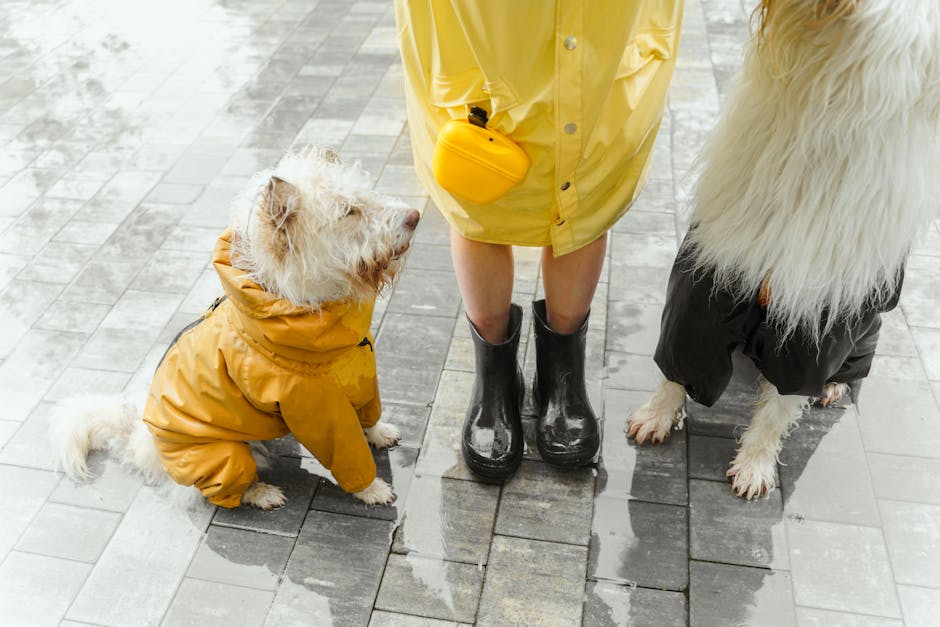
Winter hits harder when you’re close to the ground and covered in fur. For pets, that blast of cold means serious risk frostbite isn’t just a human problem. Limit outdoor walks during icy spells and skip the long hikes when the temps dip below freezing. If you’ve got a small dog or one with a thin coat, throw on a sweater before heading out. Function over fashion.
Sidewalk salt and chemical de icers can rip up paw pads fast. Rinse feet after walks, or better yet use pet booties if your animal will tolerate them. In subzero temps, bring pets inside full time. No quick trips or naps in the backyard. Hypothermia moves quiet and quick: watch for shivering, low energy, and pale gums.
And if something feels off your pet seems sluggish, confused, or just not themselves play it safe. Check the signs your pet needs a vet visit →
Spring: Shedding and Allergens

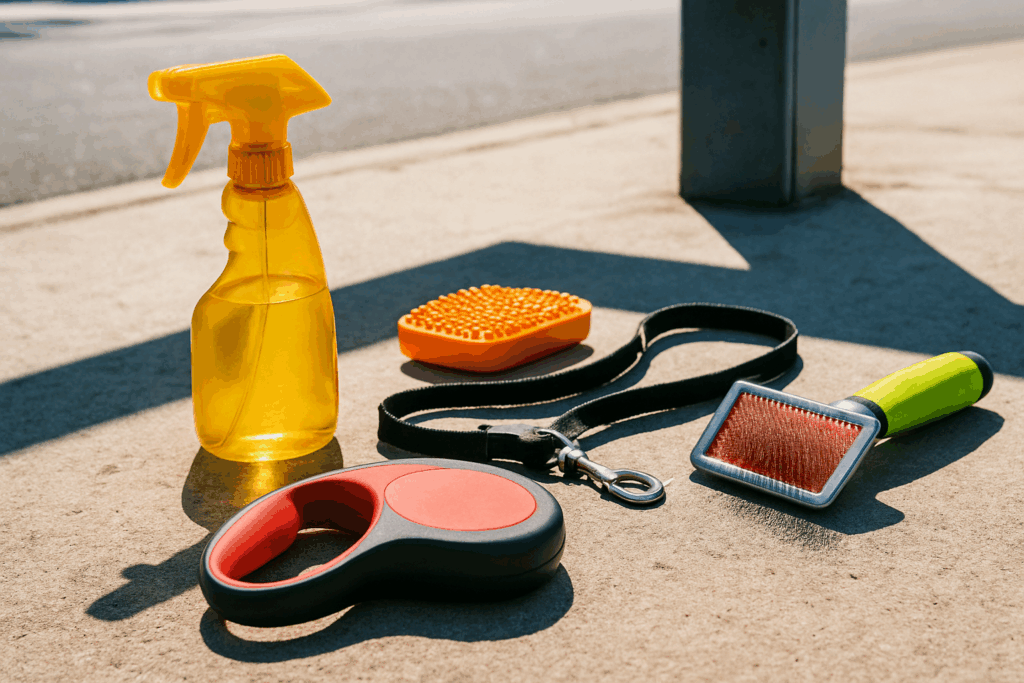
Spring doesn’t ask permission it arrives with pollen, pest surges, and enough pet fur to knit a sweater. Daily brushing keeps the shedding under control and cuts down on hair tumbleweeds collecting in corners. It’s also a solid chance to check for early signs of skin irritation or ticks.
Speaking of ticks, flea and tick season starts now. Don’t play catch up. Get ahead with monthly protectants, especially if your animal spends time outside. Even well groomed indoor pets can pick up pests on quick walks or yard time.
Watch your pets for signs of seasonal allergies sneezing, paw licking, or red eyes. These symptoms often get confused with typical springtime behavior, but they can get worse fast without treatment.
Also: standing water is a mosquito factory. Dump it. Mosquitoes bring risk of heartworm, and it only takes a couple bites. No puddle is worth the vet bills.
Summer: Heat Safety Comes First
Hot weather can be dangerous for pets, especially those with thick coats, short snouts, or underlying health issues. As temperatures climb, taking smart precautions ensures your animals stay safe and healthy.
Keep Pets Cool and Hydrated
Hydration is essential: Always carry fresh water when walking or traveling with your pet.
Set up shaded rest spots for backyard time or park days.
Never Leave Pets in Cars
Even with windows cracked, temperatures inside a car can rise rapidly.
Heatstroke can occur in minutes never leave pets unattended in a vehicle.
Time Your Walks Wisely
Walk during cooler times of day, such as early mornings or evenings.
Avoid peak midday heat, when pavement and air temperatures are at their highest.
Pavement Heat Check
Use the five second rule: If the pavement is too hot for your palm, it’s too hot for your pet’s paws.
Consider protective booties or walk on grass where possible.
Recognize Signs of Overheating
Watch for these signs that your pet may be experiencing heat stress:
Heavy panting
Excessive drooling
Disorientation or wobbling
Vomiting or diarrhea
If symptoms appear, move your pet to a cool area immediately and contact your vet.
Stay mindful summer fun shouldn’t turn into a health emergency. Prioritizing comfort and safety can prevent serious risks.
Fall: Transition and Prep Mode
Fall is go time for pet owners who want to avoid winter surprises. As temperatures drop, your pet’s coat starts to thicken. That means more brushing, not less. Skip the comb too long and you’ll deal with painful knots, not to mention skin issues. Make grooming part of the weekly rhythm.
Cold snaps have a way of sneaking in before you’re ready. If your pet spends time outdoors, now’s the moment to check shelters. Add insulation, block drafts, and ensure bedding stays dry. A few tweaks now beat a cold, sleepless animal later.
The holidays are coming fast stock up on pet meds and food before stores are picked over or you’re busy road tripping. Vet offices get crowded. Deliveries get delayed. Plan ahead and skip the scramble.
Halloween, for all its candy and costumes, is a landmine for pets. Doorbell overload can trigger escapes. Sugar free gum and chocolate are flat out toxic. Even dressing your dog as a hot dog can cause stress if it limits movement or vision. Keep a close eye that night or better, keep them tucked away from the chaos.
Be Consistent Year Round
Seasonal changes come and go, but your pet’s needs don’t clock out. Regular vet visits aren’t just for emergencies they’re your early warning system. Annual (or biannual) exams catch things you can’t see: heart murmurs, dental issues, hidden pain. Skipping these? Risky move.
Parasites don’t care about weather forecasts. Fleas, ticks, and heartworms can show up any time, depending on your region. Letting your guard down for a season could mean a year fixing the aftermath. Stick with your prevention plans no breaks.
Also, ID tags and microchips: double check them. A downed tree or popped firework spooks your dog into a sprint, and if there’s no up to date contact info? That’s on you. Keep tags legible and chips registered.
Finally, pay attention. It’s not just about what your pet does it’s what they stop doing. Eating less? Hiding more? Snapping during play? These could all mean something bigger.
Learn when it’s time for a vet visit →
This year, make pet safety a habit not just a seasonal task.