Plan Their Comfort Like You Plan Your Itinerary
Before you book anything, double check that your lodging actually wants your furry co pilot there. “Pet friendly” can mean anything from a warm welcome to a pricey cleaning fee and a list of restrictions. Call ahead. Ask clear questions.
Same goes for air travel every airline has its own policy on pet size, carrier dimensions, breed restrictions, and fees. Don’t make assumptions. Dig into the fine print.
Finally, don’t get caught scrambling on travel day. Pack what your pet needs to stay hydrated, calm, and secure. Essentials include: collapsible bowls, a favorite toy or blanket, solid leash or harness, and of course, water. A little prep beats a lot of problems.
Vehicle & Air Travel: Do’s and Don’ts
When it comes to traveling with pets, proper transportation planning is essential. Whether you’re driving or flying, your pet’s safety and comfort should be non negotiable.
Car Travel: Safety First
Driving with your pet in your lap or roaming the back seat might seem harmless, but it can be dangerous for both of you. Protect them and yourself by using pet friendly safety equipment.
Best practices for road trips:
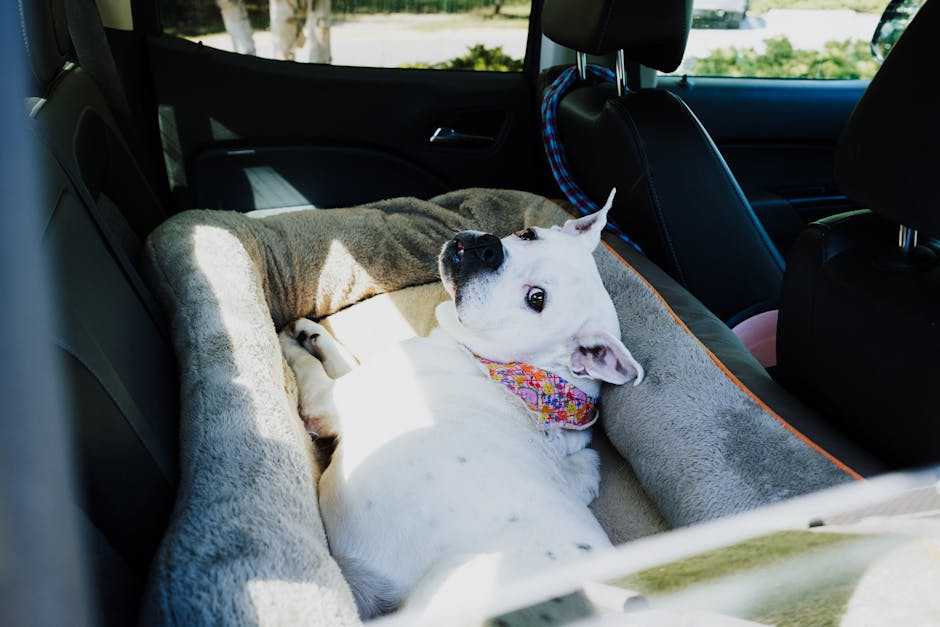
Use crash tested pet carriers or pet seat belts to secure your pet.
Make sure the carrier is well ventilated and sized appropriately for your pet to turn around and lie down comfortably.
Avoid letting pets hang out the window or ride unrestrained, even on short trips.
Flying with Pets: What to Know
Air travel with pets requires more advance preparation than you might expect. Each airline has its own rules, so double check everything before booking.
Before you take off, confirm:
Carrier size and ventilation requirements based on airline rules.
Breed specific regulations, especially for brachycephalic (short nosed) pets many carriers won’t allow them in cargo holds.
Temperature restrictions by season; some airlines restrict animals during extreme temperatures.
Important: Avoid Sedating Without Vet Approval
While it might seem like a good idea to give your pet something to relax during travel, sedation can be dangerous.
Why it matters:
Sedatives can affect respiratory or cardiovascular function, especially at high altitudes.
Some airlines will not accept sedated pets due to health risks.
Always consult your veterinarian before using any calming aids.
Prioritizing safe travel practices helps ensure a smoother, less stressful journey for both you and your furry companion.
Keep Their ID Game Strong
Before you hit the road, make sure your pet’s identification is locked in. Microchipping should be step one but it’s only useful if your contact info is current. Double check your registration online and confirm your phone number and address are accurate. It takes five minutes and could be the difference between quick reunion or weeks of worry.
Don’t rely on a microchip alone. If your pet gets loose in a busy area, a collar tag with your number makes contacting you faster and easier. It’s a simple backup that makes a big difference.
Also: bring printed photos. If your phone dies or there’s no signal, having clear images of your pet to show around can speed up recovery if you get separated. Front facing, full body shots taken recently not six month old selfies in bad lighting.
These steps aren’t just about caution they’re about preparation. You hope you never need them, but if you do, they’ll matter.
Maintain Their Routine On The Move

Pets don’t care about time zones or flight delays. Their bodies expect food when they expect food, and their bladders don’t understand layovers. Traveling throws enough chaos into the mix your job is to keep their daily rhythm as steady as possible. Feed them at normal times. Walk them like you would at home. It’s not just about avoiding accidents or growling stomachs; routine lowers stress and builds a sense of safety.
Avoid the temptation to grab random snacks or water at gas stations or rest stops. Bring your own supply of what they’re used to. A sudden food swap can turn into a messy problem, especially in unfamiliar spaces. Pack smarter so your pet doesn’t have to suffer through gut turbulence at 30,000 feet or in the back of a rental car.
Stay predictable, and they’ll stay calmer. Familiar actions in unfamiliar places can keep them grounded when everything else is new.
(Related read: Daily habits for pets)
Watch the Weather, Everywhere
Climate can shift fast between cities or even neighborhoods. One moment it’s breezy and mild, the next you’re parked under a scorching sun. Pets don’t adjust as easily as we do, especially in confined spaces. A car’s interior can hit dangerous temperatures in minutes, even with windows cracked. Bottom line: never leave your animal in a parked car. Not to run in. Not to grab coffee. Not even with the AC running.
The threats don’t stop at the dashboard. Airports, rest areas, and even Airbnb porches can be silent heat traps. Concrete, crates, and enclosed yards bake up fast. If your pet’s waiting outside, keep them shaded and hydrated always. And when planning your trip, check average conditions at every stop, not just your destination. Treat the forecast like any other critical piece of travel info. Your pet’s life may depend on it.
Emergency Ready = Worry Free
When you’re traveling with a pet, emergencies aren’t just possible they’re something you prepare for. Start by saving the contact info for at least one trusted vet (or emergency clinic) near every major stop on your itinerary. Don’t assume you can Google it on the fly when stress is high and time is tight.
Next: a pet medical kit. You don’t need a mobile hospital, but you do need the basics. Antiseptic wipes, any prescribed meds, tweezers (because splinters happen), and gloves. Toss in some gauze pads and a roll of tape, too. It’s the kind of stuff you’ll be thankful for if your dog gets a cut at a campground or your cat decides to snack on something questionable.
Finally, go digital with vaccine records and any health documents. Keep them on your phone or in the cloud wherever you can access them fast. Many airlines and hotels require proof, and if you’re crossing state lines or borders, you may be asked for paperwork on the spot. Having it ready cuts stress for everyone involved including your pet.
Don’t Skip Pre Travel Vet Checks
Before you even pack the leash, book a visit to the vet. This isn’t just a box to check it’s your best shot at catching issues before they become emergencies on the road. Vets can guide you on how to manage travel stress, shift your pet’s diet safely if needed, and recommend preventive steps for motion sickness or anxiety. Need a calming snack for those long drives? Or advice on when to feed around a flight? The vet’s the person to ask.
More importantly, every destination has its own set of rules. Some require specific vaccines. Others may screen for parasites or need proof of recent flea treatments. Not having the proper paperwork can get you delayed or denied entry entirely. Give your vet a heads up about where you’re headed and how long you’ll be gone. That way, you get a tailored plan, not just a generic okay.
It’s about traveling smarter, not just with good vibes and a dog bed in the back seat.
Healthy Pet, Happy Trip
The truth is simple: a pet that’s healthy at home is more likely to adapt to travel without trouble. If your dog eats junk or your cat never sees sunlight, adding airports and hotel rooms to their routine isn’t going to end well. The prep starts long before you book the flight. Clean nutrition, daily movement, and consistent routines form the baseline. It’s not flashy, but it works.
Physical health aside, those habits build emotional stability. A pet that knows what to expect each day handles change better. Take the time to reinforce their routines well before the trip same feeding times, regular walks, time outside, interactive play. It’s like training for stress, but gentler.
If you want practical ways to lock in those habits, this guide is a solid starting point: Daily habits for pets. Build resilience at home. The road gets a lot smoother after that.
 There is a specific skill involved in explaining something clearly — one that is completely separate from actually knowing the subject. Tavien Rothwynd has both. They has spent years working with culinary exploration and recipes in a hands-on capacity, and an equal amount of time figuring out how to translate that experience into writing that people with different backgrounds can actually absorb and use.
Tavien tends to approach complex subjects — Culinary Exploration and Recipes, More, Food Insights being good examples — by starting with what the reader already knows, then building outward from there rather than dropping them in the deep end. It sounds like a small thing. In practice it makes a significant difference in whether someone finishes the article or abandons it halfway through. They is also good at knowing when to stop — a surprisingly underrated skill. Some writers bury useful information under so many caveats and qualifications that the point disappears. Tavien knows where the point is and gets there without too many detours.
The practical effect of all this is that people who read Tavien's work tend to come away actually capable of doing something with it. Not just vaguely informed — actually capable. For a writer working in culinary exploration and recipes, that is probably the best possible outcome, and it's the standard Tavien holds they's own work to.
There is a specific skill involved in explaining something clearly — one that is completely separate from actually knowing the subject. Tavien Rothwynd has both. They has spent years working with culinary exploration and recipes in a hands-on capacity, and an equal amount of time figuring out how to translate that experience into writing that people with different backgrounds can actually absorb and use.
Tavien tends to approach complex subjects — Culinary Exploration and Recipes, More, Food Insights being good examples — by starting with what the reader already knows, then building outward from there rather than dropping them in the deep end. It sounds like a small thing. In practice it makes a significant difference in whether someone finishes the article or abandons it halfway through. They is also good at knowing when to stop — a surprisingly underrated skill. Some writers bury useful information under so many caveats and qualifications that the point disappears. Tavien knows where the point is and gets there without too many detours.
The practical effect of all this is that people who read Tavien's work tend to come away actually capable of doing something with it. Not just vaguely informed — actually capable. For a writer working in culinary exploration and recipes, that is probably the best possible outcome, and it's the standard Tavien holds they's own work to.